


Is hair loss a sign of HIV/AIDS?
Dec 02, 2025
Source: Cainiu Health

Dr. Liu Wenmin
Introduction
Hair loss is not necessarily related to HIV; in most cases, it is caused by common factors and does not require excessive concern. Only when hair loss occurs alongside high-risk behaviors and specific symptoms should one consider a possible link to HIV, warranting further evaluation. It's advisable to maintain regular sleep patterns, consume hair-healthy foods such as lean meats and nuts, and avoid excessive pulling or tension on the hair. Individuals with high-risk exposures should proactively undergo HIV screening.
Hair loss is not necessarily related to HIV; in most cases, it is caused by common factors and does not require excessive concern. Only when hair loss occurs alongside high-risk behaviors and specific symptoms should one consider a possible link to HIV, which then warrants further investigation. The details are as follows:
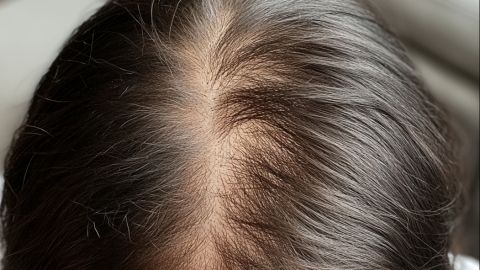
Ordinary hair loss is usually associated with non-HIV-related factors. High stress levels and lack of sleep can disrupt the hair follicle growth cycle. Picky eating leading to deficiencies in protein and vitamins may weaken hair, making it brittle and prone to shedding. Frequent perming, dyeing, or using harsh hair care products can also damage the scalp and cause hair loss. Such cases often improve through adjusting sleep patterns, maintaining a balanced diet, and switching to gentler hair care products.
If there has been any high-risk behavior and hair loss is accompanied by signs of weakened immunity, HIV infection should be considered. After HIV damages the immune system, it may lead to scalp infections, impaired nutrient absorption, or hair loss as a side effect of antiviral medications, often accompanied by rapid weight loss, recurrent low-grade fever, and other symptoms. In such situations, diagnosis must be confirmed through viral testing rather than assuming based on hair loss alone.
In daily life, one should maintain a regular routine, eat more hair-healthy foods such as lean meat and nuts, and avoid excessive pulling or tension on the hair. Individuals with a history of high-risk behaviors should proactively undergo HIV screening and regular health check-ups—neither ignoring potential risks nor succumbing to unfounded fear—to safeguard both physical and mental well-being.



