


Is a pregnant woman's alanine aminotransferase (ALT) level of 80 serious?
Dec 02, 2025
Source: Cainiu Health

Dr. Zhang Lu
Introduction
If a pregnant woman has no history of liver disease and does not present symptoms such as jaundice, fatigue, nausea, or vomiting, and ultrasound shows normal liver structure, an alanine aminotransferase (ALT) level of 80 U/L is mostly due to physiological elevation during pregnancy. Hormonal changes and increased metabolic burden on the liver in pregnancy may lead to mild fluctuations in transaminase levels, which usually require no special treatment and tend to resolve spontaneously after delivery.
Generally, a serum alanine aminotransferase (ALT) level of 80 U/L in pregnant women is not considered severe, but the assessment should be based on individual circumstances. If symptoms such as skin itching or darkened urine occur, prompt medical evaluation is recommended. Detailed analysis is as follows:
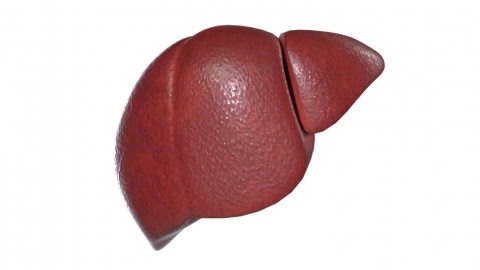
If the pregnant woman has no prior history of liver disease and does not present symptoms such as jaundice, fatigue, nausea, or vomiting, and if ultrasound imaging shows normal liver structure, an ALT level of 80 U/L is likely due to physiological changes during pregnancy. Hormonal fluctuations and increased metabolic load on the liver in pregnancy may lead to mild transaminase elevation, which typically does not require specific treatment and usually resolves spontaneously after delivery.
However, if the pregnant woman experiences symptoms such as skin itching or dark urine, or has a history of hepatitis or long-term medication use, pathological causes should be suspected. Conditions including intrahepatic cholestasis of pregnancy, acute fatty liver of pregnancy, or reactivation of viral hepatitis may all lead to elevated transaminases. Further evaluation with hepatitis virus screening, bile acid testing, and imaging studies is necessary for accurate diagnosis.
Pregnant women should avoid high-fat diets, ensure adequate intake of high-quality protein, and get at least eight hours of sleep per day. If transaminase levels continue to rise or jaundice develops after 28 weeks of gestation, immediate consultation with obstetrics and infectious disease specialists is required, along with appropriate diagnostic testing.





