


What stage of AIDS is Pneumocystis pneumonia?
Dec 02, 2025
Source: Cainiu Health

Dr. Ren Yi
Introduction
PCP refers to Pneumocystis pneumonia, which is a hallmark opportunistic infection in the late stage (stage IV) of AIDS. At this stage, patients have significantly reduced CD4+ T lymphocyte counts and severely compromised immune function, making them highly susceptible to pathogen invasion. If symptoms such as fever, dry cough, and difficulty breathing occur, immediate medical attention is required.
Pneumocystis pneumonia (PCP) refers to pneumonia caused by Pneumocystis jirovecii. It is a hallmark opportunistic infection in the late stage of AIDS, specifically stage four. At this point, the patient's CD4+ T lymphocyte count is significantly reduced, and immune function is severely compromised, making them highly susceptible to pathogen invasion. If symptoms such as fever, dry cough, and shortness of breath occur, immediate medical attention is required.
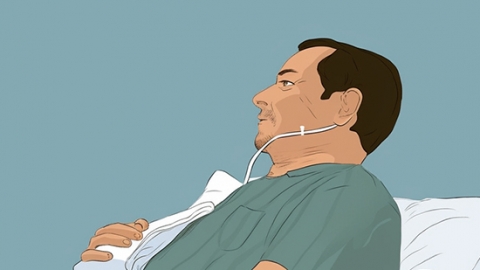
Stage four of AIDS represents a severe phase of disease progression, during which the patient’s immune system is nearly collapsed, leading to a high incidence of opportunistic infections and malignancies. As a common and serious infection at this stage, PCP carries an extremely high mortality rate if not promptly treated, and its occurrence typically indicates that the patient has entered a critical condition.
Diagnosis of this infection requires integration of medical history, clinical manifestations, and pathogen detection. Treatment primarily involves anti-infective therapy, along with active efforts to improve immune function and suppress HIV replication. Multidisciplinary collaborative management can effectively improve patient survival rates.
In daily care, it is essential to ensure adequate rest for the patient, provide high-nutrition, easily digestible meals, and maintain fluid and electrolyte balance. Indoor air should be kept well-circulated, proper respiratory care must be performed, and measures should be taken to prevent cross-infection. Additionally, close attention should be paid to the patient’s psychological state, with emotional support and encouragement provided as needed.






