


Is old pulmonary tuberculosis serious?
Dec 02, 2025
Source: Cainiu Health

Dr. Ren Yi
Introduction
In general, healed pulmonary tuberculosis is not serious and represents a residual condition after recovery from tuberculosis. However, timely intervention is needed in rare cases when the lesion becomes active or complications arise. It is important to maintain healthy lifestyle habits, including quitting smoking, limiting alcohol consumption, avoiding excessive fatigue, and improving nutrition to enhance immunity. An annual chest imaging examination is recommended to monitor changes in the lesion.
Generally, inactive pulmonary tuberculosis is not serious and represents a residual condition after the healing of tuberculosis. However, timely intervention is required in rare cases when the lesion becomes active or complications arise. The detailed analysis is as follows:
Inactive pulmonary tuberculosis refers to scarring or calcified lesions left in the lungs following a previous infection with Mycobacterium tuberculosis, which has been resolved either through treatment or the body's own immune response. These lesions are no longer active and are non-contagious. Patients typically experience no obvious symptoms and often discover the condition incidentally during routine health checkups. No specific treatment is needed, and the impact on daily life and lung function is minimal; regular follow-up monitoring is sufficient.
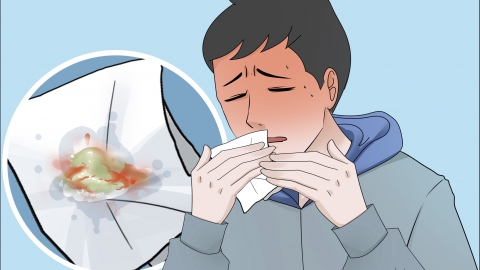
However, if a patient’s immunity drops significantly—such as in individuals with HIV/AIDS or those on long-term immunosuppressive therapy—the old lesions may reactivate, leading to symptoms such as cough, hemoptysis (coughing up blood), and low-grade fever, making the condition more complex. In some patients, extensive lesions or complications like bronchiectasis or destroyed lung may impair lung function.
Daily management should include maintaining healthy lifestyle habits: quitting smoking, limiting alcohol intake, avoiding excessive fatigue, and improving nutrition to boost immunity. It is recommended to undergo a chest imaging examination annually to monitor any changes in the lesions.


