


Is the chance of transmitting hepatitis A through saliva high?
Dec 02, 2025
Source: Cainiu Health

Dr. Gao Jun
Introduction
Hepatitis A, commonly known as type A viral hepatitis, is a disease caused by the hepatitis A virus. The probability of transmission through saliva is relatively low, but caution is still necessary. Develop the habit of washing hands before meals and after using the toilet, thoroughly cleaning with soap and running water. Drink only boiled water, avoid raw or undercooked seafood, and ensure separation of raw and cooked foods during food preparation.
Hepatitis A usually refers to hepatitis A virus (HAV) infection, a disease caused by the hepatitis A virus. The likelihood of transmission through saliva is relatively low, but caution should still be exercised. The detailed analysis is as follows:
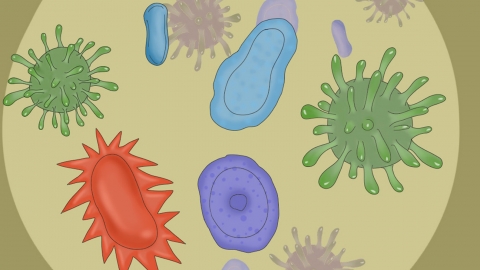
The chance of transmitting hepatitis A virus via saliva is relatively low. The core reason is that viral transmission depends on sufficient viral load and specific routes. The virus primarily spreads via the fecal-oral route; the amount of virus present in saliva is typically very small and insufficient to cause infection. Human saliva contains antibacterial substances such as lysozyme, which can suppress viral activity and reduce its infectivity. Transmission through saliva is only theoretically possible when the viral load is extremely high and the exposed person has breaks or damage in the oral mucosa. In everyday communication involving saliva contact, the risk is extremely low.
Develop the habit of washing hands before meals and after using the toilet, thoroughly cleaning with soap and running water. Drink only boiled water, avoid raw or undercooked seafood, and ensure separation of raw and cooked foods during food preparation. Regularly disinfect eating utensils, and do not share personal items such as toothbrushes or towels. Maintain a regular作息 (daily routine), avoid excessive fatigue, eat a light and nutritious diet, strengthen the body's natural resistance, and reduce the risk of infection.




