


What is non-infectious hepatitis B called?
Dec 02, 2025
Source: Cainiu Health

Dr. Gao Jun
Introduction
Non-transmissible hepatitis B usually refers to situations where individuals carrying the hepatitis B virus or those with chronic hepatitis B are not infectious under specific conditions. It is important to maintain a regular作息 (daily routine), avoid staying up late to prevent increased metabolic burden on the liver. Eat a light and balanced diet, reduce intake of high-fat, high-sugar, and spicy foods, and consume more fresh fruits and vegetables to supplement vitamins.
Non-infectious hepatitis B typically refers to situations where individuals who are carriers of the hepatitis B virus or have chronic hepatitis B are not contagious under specific conditions. The details are as follows:
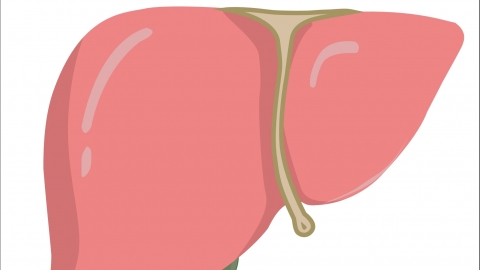
Non-infectious hepatitis B usually refers to cases in which the hepatitis B surface antigen is negative and only the surface antibody is positive, or to chronic hepatitis B carriers with undetectable hepatitis B viral DNA. The former situation commonly occurs after vaccination, when protective antibodies are produced in the body. These antibodies prevent viral invasion, and since there is no active viral replication, the individual is not infectious. Although the latter group has been infected with the hepatitis B virus, the virus remains dormant, with extremely low or even undetectable levels of virus in the blood and bodily fluids. Therefore, transmission through common routes is not possible, making daily contact safe.
Maintain a regular作息 (daily routine), avoiding late nights that increase the liver's metabolic burden. Eat a light and balanced diet, reducing intake of high-fat, high-sugar, and spicy foods, and consume more fresh fruits and vegetables to supplement vitamins. Strictly limit alcohol consumption, as alcohol directly damages liver cells and may trigger viral reactivation. Regularly undergo liver function and viral testing to monitor changes in health status. Engage in moderate exercise to strengthen physical condition, but avoid intense physical activity, and maintain a positive mood, avoiding prolonged anxiety that could negatively affect liver health.




