


Is the skin of AIDS patients the same as that of normal people?
Dec 02, 2025
Source: Cainiu Health

Dr. Liu Wenmin
Introduction
In general, whether the skin condition of HIV patients is the same as that of healthy individuals depends on the stage of the disease and whether there are any associated skin complications. If discomfort occurs, medical advice should be sought promptly. In daily life, it is recommended to use mild, non-irritating cleansing products and avoid excessive rubbing of the skin. Wear loose, breathable cotton clothing to minimize skin friction.
Generally, whether the skin condition of an HIV/AIDS patient is the same as that of a healthy individual depends on the stage of the disease and whether there are any associated skin complications. If discomfort occurs, prompt medical attention is recommended. The specific analysis is as follows:
In the early stages of the disease or in patients whose condition is stably controlled with proper treatment, skin appearance may be similar to that of healthy individuals. At this point, immune function has not been severely compromised, and there are no skin infections or related complications. The skin can remain smooth, free of abnormal rashes or lesions, and visually and tactilely indistinguishable from that of healthy people, with normal daily skin functions maintained.
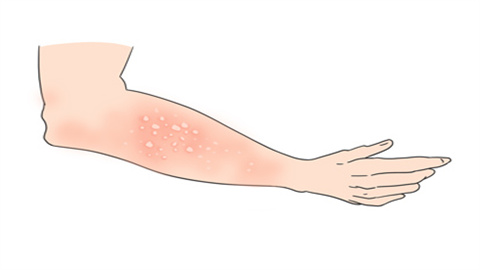
In advanced stages of the disease or when skin complications arise, the skin condition differs significantly from that of healthy individuals. Severely weakened immunity makes patients susceptible to various skin problems, such as fungal infections including tinea corporis and pityriasis versicolor, viral infections like herpes zoster and genital warts, as well as eczema, dermatitis, unexplained rashes, ulcers, and other conditions. These symptoms cause noticeable differences in skin appearance and health compared to the general population.
In daily life, it is important to use mild, non-irritating cleansers and avoid excessive scrubbing of the skin. Wear loose, breathable cotton clothing to minimize skin friction. Practice sun protection when outdoors to prevent excessive ultraviolet exposure. Keep the skin dry and clean; if itching occurs, avoid scratching to prevent skin damage and secondary infection. Maintain a diet rich in vitamin-containing foods, adhere to standardized treatment, regularly monitor skin condition, and seek timely medical care if abnormalities develop.






