


Can abnormal liver function be transmitted to family members?
Dec 02, 2025
Source: Cainiu Health

Dr. Gao Jun
Introduction
In general, whether abnormal liver function is contagious to family members depends on the specific underlying cause. If there are concerns or obvious physical discomfort, it is recommended to seek medical attention promptly. It is important to develop good hygiene habits in daily life, such as thoroughly washing hands before meals and after using the toilet, adopting individual meal portions, and using separate utensils. Personal items such as toothbrushes and towels should be used by individuals only to avoid cross-use.
In general, whether abnormal liver function can be transmitted to family members depends on the specific underlying cause. If there are concerns or obvious physical discomfort, it is recommended to seek medical attention promptly. The detailed analysis is as follows:
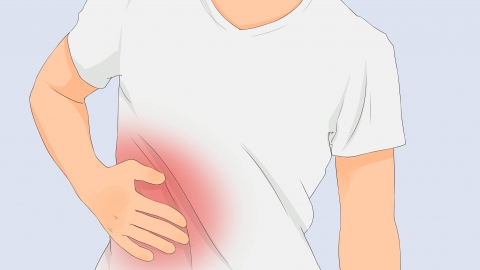
Abnormal liver function caused by viral hepatitis is contagious and may be transmitted to family members. Common causative viruses include hepatitis B virus (HBV), hepatitis C virus (HCV), hepatitis A virus (HAV), and hepatitis E virus (HEV), each with different transmission routes. Hepatitis A and E are primarily spread through contaminated food or water; sharing utensils or eating together may lead to infection. Hepatitis B and C are mainly transmitted via blood and bodily fluids, so sharing personal items such as toothbrushes and razors poses a risk of transmission.
Abnormal liver function caused by non-viral factors is not contagious to family members. This category includes a wide range of conditions, such as alcoholic liver disease due to long-term heavy drinking, drug-induced liver injury from hepatotoxic medications, fatty liver disease, and autoimmune liver diseases. These conditions stem from metabolic or immune dysfunction within the liver itself, without any transmissible pathogens, and therefore do not pose an infectious risk to family members.
In daily life, it's important to develop good hygiene habits: thoroughly wash hands before meals and after using the toilet, adopt individual meal portions, and use separate utensils. Personal items such as toothbrushes and towels should be used exclusively by individuals to avoid cross-use. Maintain a regular sleep schedule, avoid excessive fatigue, follow a light and nutritious diet, reduce intake of greasy and irritating foods, and strictly adhere to medical advice for treatment and follow-up visits to support liver function recovery.


