


What to do about low-grade fever in AIDS
Dec 02, 2025
Source: Cainiu Health

Dr. Ren Yi
Introduction
For AIDS patients experiencing low-grade fever, management should include identifying the underlying cause of fever, standard antiviral therapy, physical cooling measures, adequate hydration, and adjustments to diet and作息. Low-grade fever may be related to viral or opportunistic infections. If the fever persists for more than one week or is accompanied by coughing with hemoptysis or significant weight loss, prompt medical attention is recommended.
Low-grade fever in HIV patients should be managed by identifying the underlying cause of fever, following standardized antiviral treatment, using physical cooling methods, maintaining proper hydration, and adjusting diet and daily routines. The low-grade fever may be related to viral infection or opportunistic infections. If the low-grade fever persists for more than one week or is accompanied by coughing with blood or significant weight loss, prompt medical attention is recommended.
1. Identify the cause of fever: Low-grade fever may result from the HIV virus itself or from opportunistic infections such as pneumonia or tuberculosis. Diagnostic tests are necessary to determine the specific cause and avoid delaying appropriate treatment through indiscriminate use of fever-reducing measures.
2. Follow standardized antiviral therapy: Adhere strictly to prescribed antiretroviral medications to suppress viral replication, thereby reducing virus-induced fever at its source. Do not discontinue or adjust medication doses without medical guidance.
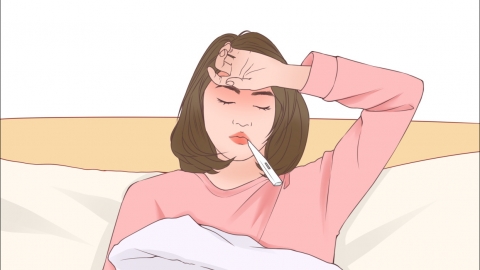
3. Use physical cooling methods: Wipe areas with major blood vessels—such as the forehead, neck, and armpits—with lukewarm water, or apply fever-reducing patches. Avoid alcohol rubs. These gentle methods help lower body temperature and relieve discomfort.
4. Maintain adequate fluid intake: Drink plenty of warm water, light salt water, or oral rehydration solutions to replace fluids lost during fever, prevent dehydration, and support metabolic heat dissipation.
5. Adjust diet and daily routine: Eat light, easily digestible meals rich in protein and vitamins to strengthen immunity. Ensure sufficient rest and sleep, and avoid overexertion that could further burden the body.
Maintain good ventilation in living spaces, dress appropriately according to body temperature changes to avoid chills or overheating, avoid crowded places, take protective measures to prevent cross-infection, and regularly monitor body temperature.





