


How to check for early symptoms of AIDS
Dec 03, 2025
Source: Cainiu Health

Dr. Liu Wenmin
Introduction
In general, early symptoms of HIV infection often resemble flu-like symptoms such as fever and rash. Definitive diagnosis relies on professional testing, with commonly used methods including HIV antigen/antibody combination testing, HIV nucleic acid testing, HIV antibody testing, viral load testing, and CD4+ T-lymphocyte count testing.
Generally, early symptoms of AIDS are often similar to those of the common cold, such as fever and rash. Definitive diagnosis relies on professional testing, with commonly used methods including HIV antigen/antibody combination testing, HIV nucleic acid testing, HIV antibody testing, viral load testing, and CD4+ T-lymphocyte count testing. The details are as follows:
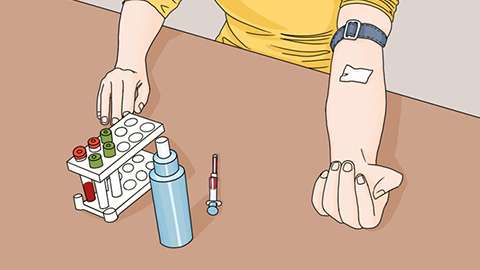
1. HIV Antigen/Antibody Combination Testing: This test detects both viral antigens and antibodies simultaneously and can identify infection approximately 14 days after exposure, effectively shortening the detection window period. When early symptoms such as fever or swollen lymph nodes appear, this test allows for a rapid initial assessment of infection status and is a commonly used clinical screening method for early detection.
2. HIV Nucleic Acid Testing (NAT): This method confirms infection by detecting viral genetic material and can yield positive results as early as 7 days post-infection, making it currently the shortest-window detection method available. For individuals experiencing very early symptoms or those eager to confirm their status after high-risk exposure, NAT provides the most timely diagnostic evidence.
3. HIV Antibody Testing: This includes detection of IgM and IgG antibodies. A positive IgM result suggests recent infection, while a positive IgG indicates that the infection has been ongoing for some time. Antibodies typically become detectable around 21 days after infection. Due to its relatively low cost, this test is suitable as a confirmatory method following initial screening.
4. Viral Load Testing: This measures the amount of virus in the body and not only aids in early diagnosis but also helps assess disease activity. In patients with prominent early symptoms, this test reveals the extent of viral replication and provides valuable information for determining whether to initiate treatment.
5. CD4+ T-Lymphocyte Count Testing: CD4+ T cells are the primary targets of HIV. Their count may temporarily decrease during early infection. Performing this test in conjunction with symptom evaluation helps determine the degree of immune system damage and assists in identifying the stage of disease progression.
Early symptoms are easily confused with the common cold, and isolated symptoms alone cannot serve as a basis for diagnosis. Individuals who have experienced high-risk behaviors and develop any discomfort should promptly visit a qualified medical institution and select appropriate testing methods. Early diagnosis and prompt treatment, along with proper preventive measures, can effectively control the spread of the disease.





