Can you still eat sesame oil after it has passed its expiration date?
Dec 04, 2025
Source: Cainiu Health

Dr. Huang Yuhong
Introduction
In general, sesame oil past its expiration date is not recommended for consumption, as it may still pose risks even if there are no obvious changes in appearance. When storing sesame oil daily, make sure to seal the bottle tightly to avoid exposure to air and direct sunlight, thereby slowing down oxidation and spoilage. When purchasing, pay attention to the expiration date and try to consume the oil within this period. This helps ensure optimal flavor and nutritional value, while also avoiding potential health risks associated with consuming spoiled oil.
Under normal circumstances, it is not recommended to consume sesame oil after its expiration date, even if there are no obvious changes in appearance, as potential risks may still exist. The detailed analysis is as follows:
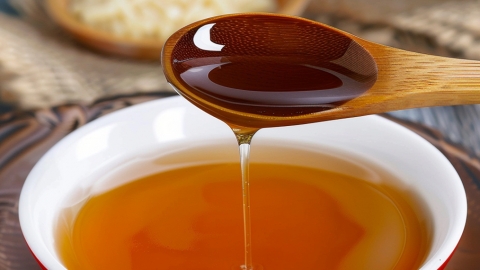
After the expiration date, sesame oil gradually undergoes oxidation and rancidity, which not only deteriorates its flavor but also produces harmful substances such as aldehydes and ketones. These compounds may irritate the gastrointestinal tract, leading to discomforts like nausea, vomiting, and diarrhea after consumption. Long-term intake may also impair liver function. Moreover, the nutritional value of oxidized sesame oil significantly decreases, with loss of antioxidant components such as vitamin E, making it unable to provide the original nutritional benefits.
If sesame oil has been properly stored—sealed and kept in a cool, dry place—it might show no obvious off-odors, cloudiness, or other signs of spoilage shortly after the expiration date; however, it is still not advisable to take the risk of consuming it. If the oil has developed a rancid smell, appears cloudy or separated, or has sediment at the bottom of the bottle, this indicates severe spoilage and it should be discarded immediately—do not consume.
To store sesame oil properly in daily use, ensure the bottle is tightly sealed to minimize exposure to air and direct sunlight, thereby slowing down oxidation and spoilage. When purchasing, always check the expiration date and aim to consume the oil within its shelf life. This helps preserve both taste and nutrition while avoiding health risks associated with consuming spoiled oils.