


Does a bulla in the right lung apex indicate smoking?
Dec 04, 2025
Source: Cainiu Health

Dr. Ren Yi
Introduction
If a patient has a long history of smoking, bullae in the right lung apex are most likely related to smoking. Harmful substances in tobacco chronically irritate the alveolar walls, leading to decreased alveolar elasticity, rupture, and coalescence, which eventually form bullae. The right lung apex is a common site for bullae in smokers, indicating a strong association between this condition and smoking.
Generally, pulmonary bullae at the right lung apex are often associated with smoking, but this does not necessarily mean the patient is a smoker, as they may also be caused by other factors. If in doubt, it is recommended to seek medical advice early. Specific analysis is as follows:
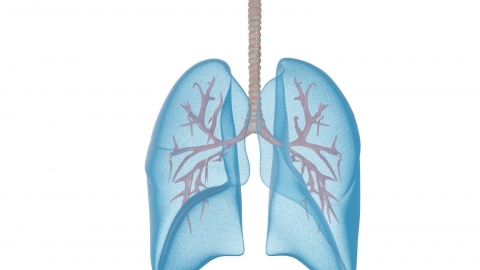
If the patient has a long-term history of smoking and develops pulmonary bullae at the right lung apex, the condition is likely related to smoking. Harmful substances in tobacco chronically irritate the alveolar walls, leading to decreased elasticity, rupture, and fusion of alveoli, eventually forming pulmonary bullae. The right lung apex is a common site for bullae in smokers, indicating a strong association with smoking.
If the patient has no smoking history but still develops pulmonary bullae at the right lung apex, other factors may be responsible. These include congenital abnormalities in alveolar development, prolonged exposure to dust or chemical substances, or underlying lung diseases such as chronic bronchitis and emphysema, all of which can damage alveolar structure and lead to bulla formation. In these cases, there is no direct link to smoking.
After detection of a pulmonary bulla at the right lung apex, patients should provide doctors with detailed information about their lifestyle habits and medical history to help determine the cause. It is important to avoid strenuous exercise, breath-holding, and similar activities to prevent bulla rupture. Regular follow-up imaging is recommended to monitor changes in the bulla, and patients should follow medical advice for proper health management.


