


Is there a relationship between upper respiratory tract infections and formaldehyde?
Dec 04, 2025
Source: Cainiu Health

Dr. Ren Yi
Introduction
If one is exposed to an environment with excessive formaldehyde levels (such as a newly renovated house or areas with substandard furniture) over a prolonged period, formaldehyde can continuously irritate the nasal and pharyngeal mucosa, leading to mucosal congestion and reduced resistance. Under these conditions, exposure to viruses or bacteria makes upper respiratory tract infections more likely, and after infection, mucosal inflammation tends to be more pronounced, resulting in worsened symptoms such as nasal congestion and sore throat.
Under normal circumstances, formaldehyde exposure may induce or exacerbate upper respiratory tract infections, but it is not a direct cause of infection. If in doubt, it is recommended to seek medical advice in advance. A detailed analysis is as follows:
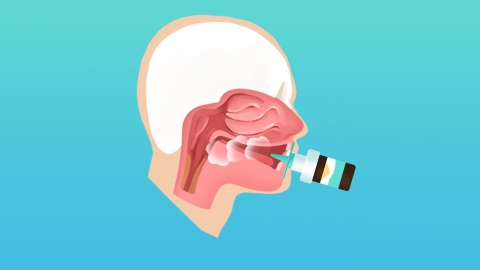
If one is long-term exposed to environments with excessive formaldehyde levels (such as newly renovated homes or areas with substandard furniture), formaldehyde can continuously irritate the nasal and pharyngeal mucosa, leading to mucosal congestion and reduced resistance. In such cases, contact with viruses or bacteria makes it easier to trigger upper respiratory tract infections, and symptoms such as nasal congestion and sore throat may become more severe due to increased mucosal inflammation after infection.
If an upper respiratory tract infection is clearly caused by a virus (e.g., influenza virus) or bacterial infection, and the patient has not been exposed to high-formaldehyde environments, or has only had short-term, low-concentration exposure, then formaldehyde is not directly related to the current infection. The primary cause in these cases is pathogen invasion; formaldehyde does not directly promote the growth of viruses or bacteria, nor does it independently produce infection symptoms.
In daily life, prolonged exposure to environments with excessive formaldehyde should be avoided. Newly renovated homes should be adequately ventilated before occupancy. When upper respiratory tract infections occur, environmental factors and pathogen types should be promptly evaluated. If infections recur and are associated with specific environments, it is advisable to test indoor formaldehyde levels and reduce exposure to irritants.






