What traditional Chinese medicine should be taken for allergic asthma?
Dec 04, 2025
Source: Cainiu Health

Dr. Sun Lianqing
Introduction
For allergic asthma, traditional Chinese herbs such as Ephedra (Mahuang), Perilla seed (Zisuzi), Bitter Apricot Seed (Kuxingren), Earthworm (Dilong), and Astragalus (Huangqi) may be used under medical guidance. Treatment should be individualized based on syndrome differentiation—including cold asthma, heat asthma, or deficiency of lung and spleen qi—with emphasis on relieving wheezing, stopping cough, resolving phlegm, promoting lung function, and strengthening qi to consolidate the body's defenses. If acute asthma attack occurs with difficulty breathing or persistent wheezing, prompt medical attention is recommended.
Allergic asthma may be managed with traditional Chinese herbs such as Ephedra (Mahuang), Perilla seed (Zisuzi), Bitter Apricot Seed (Kuxingren), Earthworm (Dilong), and Astragalus (Huangqi) under medical guidance. Herbal selection should be based on syndrome differentiation, including cold asthma, heat asthma, or deficiency of lung and spleen qi, focusing on effects such as promoting lung function, relieving wheezing, stopping cough, resolving phlegm, reinforcing qi, and strengthening the body's defensive barrier. If acute asthma attack occurs with difficulty breathing and persistent wheezing, prompt medical attention is recommended.
1. Ephedra (Mahuang): Warm in nature and pungent in taste, it functions to promote lung dispersion, relieve wheezing, and dispel wind-cold. It is suitable for wheezing, cough, and clear, white sputum caused by cold asthma. It helps alleviate airway spasms and improve breathing difficulties, often used in combination with Cinnamon twig (Guizhi) and Asarum (Xixin).
2. Perilla Seed (Zisuzi): Warm in nature and pungent in taste, it excels at lowering qi, resolving phlegm, relieving cough, and alleviating wheezing. It targets excessive cough with phlegm, chest tightness, and shortness of breath during asthma attacks. It warms the lungs to resolve phlegm and moistens the intestines to promote bowel movements, reducing phlegm-induced airway irritation.
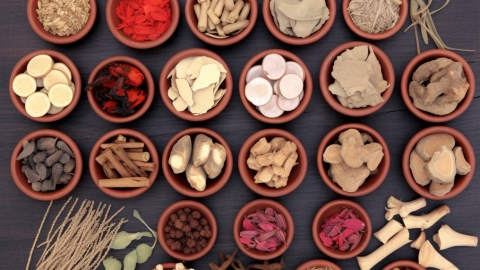
3. Bitter Apricot Seed (Kuxingren): Slightly warm in nature and bitter in taste, it has the effects of lowering qi, stopping cough, relieving wheezing, and moistening the intestines to facilitate bowel movements. It is applicable to various types of asthma, especially cases involving cough with wheezing, chest tightness, and abdominal distension, helping to relax bronchial smooth muscle spasms.
4. Earthworm (Dilong): Cold in nature and salty in taste, it clears heat, calms asthma, stops convulsions, and unblocks meridians. Suitable for heat asthma or acute asthma attacks, it clears heat and resolves phlegm, dilates airways, and improves symptoms such as rapid wheezing, yellow, sticky sputum.
5. Astragalus (Huangqi): Slightly warm in nature and sweet in taste, it tonifies qi, strengthens the defensive system, fortifies the spleen, and nourishes the middle burner. It is used for allergic asthma due to deficiency of lung and spleen qi, enhancing immune function and reducing recurrence of asthma. Works better when combined with Atractylodes (Baizhu), Siler (Fangfeng), and other herbs.
In daily life, avoid allergens such as pollen and dust mites, maintain clean and well-ventilated indoor environments, and prevent asthma triggers like colds and chills. Maintain a light diet, avoiding spicy, raw, cold foods, seafood, and other allergenic foods. Engage moderately in gentle exercises such as Tai Chi or walking to strengthen physical constitution and reduce the frequency of asthma attacks.