What are the symptoms of stable-phase chronic bronchitis?
Dec 08, 2025
Source: Cainiu Health

Dr. Ren Yi
Introduction
Symptoms of stable chronic bronchitis include chronic cough, small amounts of sputum production, shortness of breath upon exertion, occasional wheezing, and mild respiratory discomfort. These symptoms remain relatively stable and persist over time without signs of acute exacerbation. If symptoms suddenly worsen or new symptoms such as fever or hemoptysis develop, prompt medical attention is recommended. The cough is often persistent, occurring particularly upon waking in the morning or before bedtime at night.
During the stable phase of chronic bronchitis, symptoms include chronic cough, minimal sputum production, shortness of breath after physical activity, occasional wheezing, and mild respiratory discomfort. These symptoms remain relatively stable and persist over time without signs of acute exacerbation. If symptoms suddenly worsen or new symptoms such as fever or hemoptysis (coughing up blood) occur, prompt medical attention is recommended.
1. Chronic cough: The cough is typically persistent, often worsening in the morning or before bedtime, while being milder during the day. It results from chronic airway inflammation stimulating the mucous membranes. The severity of the cough remains stable, with no significant fluctuations or sudden intensification.
2. Minimal sputum production: Sputum is usually white, mucoid, or frothy, produced in small amounts and difficult to expel. It may appear slightly yellowish if infection is present. The frequency and volume of sputum remain relatively constant, without sudden increases.
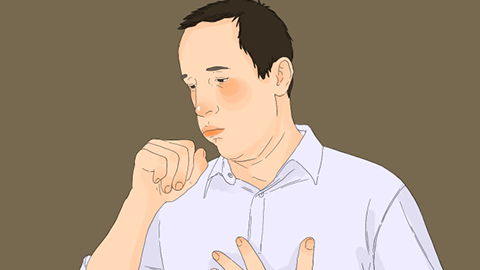
3. Shortness of breath after activity: Patients generally feel no obvious discomfort during light daily activities but may experience breathlessness and rapid breathing after intense exercise or physical labor. Symptoms quickly resolve with rest, due to mild impairment of airway ventilation function.
4. Occasional wheezing: Wheezing occurs only occasionally upon exposure to cold air, smoke, or irritant gases. Episodes are infrequent, do not interfere with daily activities, and involve mild, transient airway spasms.
5. Mild respiratory discomfort: May include slight throat dryness, itching, or mild chest tightness. Symptoms are minor, stable, and do not disrupt normal activities such as sleep or eating, with no tendency toward worsening.
To maintain stability, patients should quit smoking and avoid secondhand smoke, dust, and other irritants. Keep indoor areas well-ventilated and humidified, dress appropriately according to weather changes to prevent colds, and engage in moderate, gentle exercises such as walking or tai chi to strengthen respiratory resistance and help maintain disease stability.