Can I have a chest X-ray one month after having a CT scan?
Dec 08, 2025
Source: Cainiu Health

Dr. Li Feng
Introduction
It is reasonable to perform a chest X-ray if there are changes in the condition, such as new symptoms including cough, chest pain, or shortness of breath, or to monitor the recovery of pulmonary lesions. The radiation dose from a chest X-ray is much lower than that of a CT scan, and having one every month will not cause significant harm to the body. Moreover, it can quickly provide basic imaging information to assist clinical assessment.
Generally, a chest X-ray can be performed one month after a CT scan without clear contraindications. There is no strict prohibition, but frequent examinations are not recommended unless necessary. If in doubt, it is advisable to consult a doctor in advance. Specific analysis is as follows:
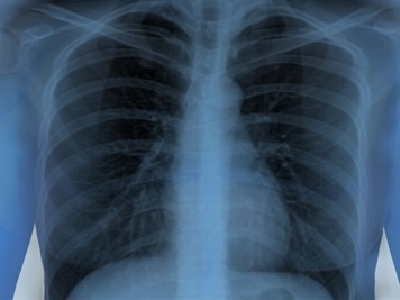
If there are changes in clinical condition—such as new symptoms including cough, chest pain, or shortness of breath—or if monitoring the recovery of lung lesions is needed, performing a chest X-ray is appropriate. The radiation dose from a chest X-ray is much lower than that of a CT scan. Having an X-ray one month apart does not cause significant harm to the body and can quickly provide basic imaging information to assist clinical evaluation.
If there are no physical abnormalities and the examination is only for routine health screening or lacks a clear medical indication, routine chest X-rays are not recommended. Frequent imaging exams lead to cumulative radiation exposure. Although the dose from a single exam is low, unnecessary exams provide no medical benefit and instead increase avoidable health risks.
Before undergoing a chest X-ray, inform the doctor about recent CT scans so that medical professionals can assess the necessity of the exam. Avoid requesting repeat imaging on your own; follow medical advice in selecting the appropriate imaging method. After the exam, properly retain the report for future reference and comparison during subsequent medical visits, ensuring continuity of care.