


Is scraping therapy effective for tenosynovitis?
Dec 09, 2025
Source: Cainiu Health

Dr. Sun Lianqing
Introduction
In general, scraping therapy (Gua Sha) can be somewhat effective for tenosynovitis. The procedure should be performed by a trained professional who can control the pressure to avoid skin damage. Avoid Gua Sha during acute inflammatory phases or if there is any skin breakage. In daily life, reduce excessive use of the affected area and avoid prolonged repetitive movements. Rest promptly after activities and gently massage the area. Keep the affected site warm and avoid exposure to cold, which may worsen symptoms.
In general, gua sha (scraping therapy) can be somewhat effective for treating tenosynovitis. The specific analysis is as follows:
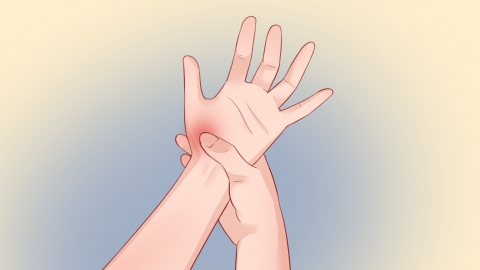
Tenosynovitis often results from long-term strain on local tendons, leading to poor circulation of qi and blood, meridian blockages, and symptoms such as pain, swelling, and restricted movement. Gua sha involves applying specific techniques to stimulate the affected area and surrounding acupoints, effectively unblocking meridians, improving local blood circulation, accelerating the removal of metabolic waste, reducing friction between the tendon and tendon sheath, and alleviating inflammatory responses. This helps relieve pain and improve joint mobility, particularly showing notable supportive benefits in cases of chronic overuse-induced tenosynovitis.
Gua sha should be performed by trained professionals who can control the pressure applied to avoid skin damage. It should be avoided during acute inflammatory phases or if there is any skin breakage. In daily life, minimize excessive use of the affected area and avoid prolonged repetition of the same movements. Rest promptly after physical activity and gently massage the region. Keep the area warm to prevent worsening symptoms due to cold exposure, and engage in appropriate gentle stretching exercises to enhance tendon elasticity. If pain worsens after gua sha or symptoms persist, seek medical evaluation promptly and consider combining other therapeutic approaches to improve outcomes.




