


Is Maytenus effective for lung nodules?
Dec 09, 2025
Source: Cainiu Health

Dr. Sun Lianqing
Introduction
Maytenus is a plant, and some traditional practices have mentioned its potential anti-inflammatory and mass-dispersing effects. However, these claims lack sufficient clinical evidence. Currently, there is no authoritative evidence indicating that Maytenus can directly reduce or eliminate pulmonary nodules, and it has not been included in standard treatment guidelines for pulmonary nodules. Its effects on nodules remain largely theoretical.
Generally, Maytenus has no clear therapeutic effect on pulmonary nodules and cannot replace standard medical treatments. Some studies have mentioned its potential adjunctive value, but this should be viewed with caution. In case of concerns, it is recommended to follow medical advice first. The detailed analysis is as follows:
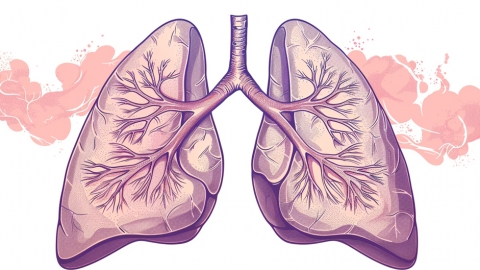
Maytenus is a plant. In some traditional practices, it has been suggested to possess anti-inflammatory and mass-dispersing properties; however, such claims lack sufficient clinical evidence. Currently, there is no authoritative evidence showing that Maytenus can directly reduce or eliminate pulmonary nodules, nor is it included in clinical guidelines for the standardized management of pulmonary nodules. Its impact on nodules remains largely theoretical.
The causes of pulmonary nodules are complex and may include benign hyperplasia, inflammation, or malignant lesions. Treatment strategies vary significantly depending on the nature of the nodule. Relying blindly on Maytenus could delay proper diagnosis and treatment—especially in cases of malignant nodules, where timely intervention is critical, and any delay may increase treatment difficulty. Furthermore, the active components and safe dosage of Maytenus have not been clearly established. Self-administration may lead to adverse reactions or drug interactions.
After detecting a pulmonary nodule, one should first undergo medical evaluation to determine its nature and avoid relying on unproven remedies. Do not discontinue regular follow-up examinations or standard treatments due to Maytenus use. Prior to use, ensure there is no allergy and strictly control the dosage.



