


How to treat early-stage lung nodules
Dec 08, 2025
Source: Cainiu Health

Dr. Ren Yi
Introduction
Treatment options for early-stage lung nodules include regular monitoring and follow-up, anti-infective drug therapy, surgical resection, minimally invasive interventional therapy, and traditional Chinese medicine for supportive regulation. The choice of treatment should be based on a comprehensive assessment of the nodule's characteristics, size, and the patient's overall health. If the nodule increases in diameter, shows more solid components, or is accompanied by symptoms such as coughing or hemoptysis, prompt medical evaluation is recommended to determine an appropriate diagnostic and treatment plan.
Early-stage pulmonary nodules can be managed through regular monitoring and follow-up, anti-infective drug therapy, surgical resection, minimally invasive interventional treatments, or adjunctive traditional Chinese medicine (TCM) regulation, depending on the nodule's characteristics, size, and the patient's overall health condition. If the nodule increases in diameter, shows more solid components, or is accompanied by symptoms such as coughing or hemoptysis, prompt medical evaluation is recommended to determine an appropriate treatment plan.
1. Regular Monitoring and Follow-up: For small nodules with clear benign features—less than 8 mm in diameter and without high-risk factors—imaging follow-up every 6–12 months is recommended to dynamically observe changes and avoid overtreatment.
2. Anti-infective Drug Therapy: When a nodule is suspected to result from bacterial, fungal, or tuberculosis infection, targeted medications such as antibiotics, antifungal agents, or anti-tuberculosis drugs should be used according to the underlying cause. Imaging should be repeated after treatment to assess whether the nodule has shrunk or resolved.
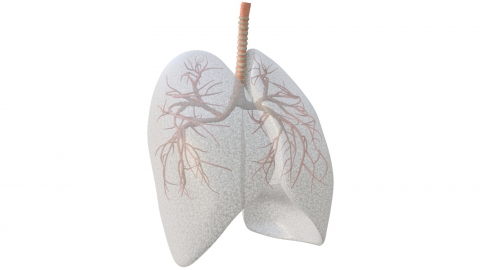
3. Surgical Resection: For nodules highly suspicious for malignancy, those larger than 8 mm, or those occurring in patients with high-risk factors for lung cancer, minimally invasive thoracoscopic surgery may be performed to achieve early curative treatment and reduce the risk of tumor progression.
4. Minimally Invasive Interventional Therapy: For patients unsuitable for surgery, techniques such as radiofrequency ablation or microwave ablation can be used to precisely destroy nodule tissue. These methods are less invasive and allow faster recovery, making them suitable for small malignant nodules or benign proliferative nodules.
5. Adjunctive TCM Regulation: For inflammatory nodules or postoperative recovery, TCM therapies focusing on reinforcing qi, nourishing yin, clearing the lungs, and resolving nodules may be used under professional guidance to enhance immune function and reduce the risk of nodule recurrence.
In daily life, maintain a smoke-free and alcohol-limited lifestyle, avoid dusty and harmful gas environments, consume a diet rich in fresh fruits, vegetables, and high-quality protein, engage in moderate aerobic exercises such as jogging or swimming, maintain emotional well-being, and strictly adhere to medical advice for regular follow-up and disease monitoring.


