


Can mung beans and millet be cooked together?
Dec 09, 2025
Source: Cainiu Health

Dr. Huang Yuhong
Introduction
However, mung beans are relatively cooling in nature, while millet is warming. People with spleen and stomach deficiency-cold may experience discomfort such as bloating or diarrhea if they consume too many mung beans due to their cold properties. Additionally, mung beans are relatively hard; if not soaked beforehand, the cooking time should be extended when cooked together with millet to prevent undercooking, which could impair digestion. The ratio of mung beans to millet can also be adjusted according to personal taste preferences.
Generally, mung beans and millet can be cooked together. They complement each other nutritionally and do not cause any dietary conflicts; however, individuals with spleen and stomach deficiency-cold should control the portion size. If in doubt, it's advisable to combine them in moderation according to individual constitution. Detailed analysis is as follows:
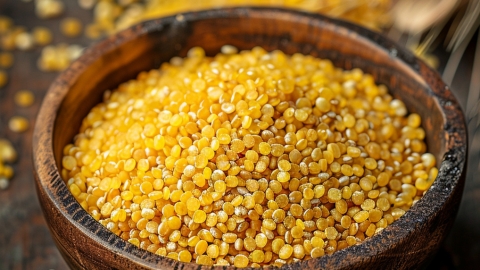
Mung beans help clear heat, eliminate dampness, and are rich in dietary fiber, while millet strengthens the spleen and nourishes the stomach, containing abundant B vitamins. Cooking them together does not produce harmful substances and instead enhances overall nutritional value. The resulting porridge has a smooth, creamy texture, making it suitable for daily consumption. It helps replenish fluids and nutrients while increasing satiety, especially beneficial during summer or for those with weak digestion.
However, mung beans are relatively cooling in nature, whereas millet is warm. Excessive consumption by individuals with spleen and stomach deficiency-cold may lead to discomfort such as bloating or diarrhea due to the cooling properties of mung beans. Additionally, mung beans are relatively hard in texture; if not soaked beforehand, cooking time should be extended when preparing them with millet to avoid undercooking, which could impair digestion. The ratio of the two ingredients can also be adjusted based on personal taste preferences.
It's recommended to soak mung beans for 2–4 hours prior to cooking to reduce cooking time. If gastrointestinal discomfort occurs after consumption, reduce or discontinue intake promptly and adjust dietary combinations accordingly.




