What are the herbal medicines for treating rheumatoid arthritis?
Dec 10, 2025
Source: Cainiu Health

Dr. Sun Lianqing
Introduction
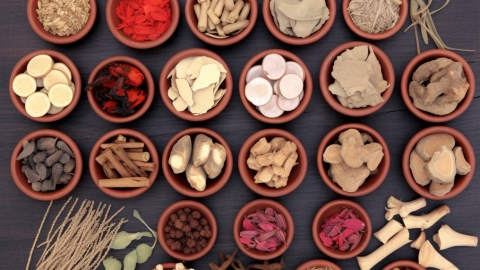
Chinese herbs for treating rheumatoid arthritis include Puben (Herba Angelicae Pubescentis), Weilingxian (Radix et Rhizoma Clematidis), Qinjiao (Radix Gentianae Macrophyllae), Lei Gong Teng (Tripterygium wilfordii), and Niuxi (Cyathula officinalis), among others. These herbs should be used according to individual conditions under medical guidance with syndrome differentiation, and self-medication should be avoided. Seek prompt medical attention if symptoms worsen or discomfort occurs. These herbs are warm in nature, with bitter and pungent flavors, and act on the kidney and bladder meridians. They can dispel wind and dampness, unblock meridians, and relieve pain, making them suitable for joint pain and limited mobility caused by wind-cold-damp arthralgia.
Herbal medicines used for treating rheumatoid arthritis include Radix Angelicae Pubescentis (Duhuo), Clematis root (Weilingxian), Gentiana macrophylla (Qinjiao), Tripterygium wilfordii (Leigongteng), and Achyranthes root (Niuxi). These herbs should be selected based on individual conditions and used according to medical advice through syndrome differentiation. Self-medication should be avoided. If symptoms worsen or discomfort occurs, seek medical attention promptly.
1. Duhuo: Warm in nature, with a pungent and bitter taste, entering the kidney and bladder meridians. It functions to dispel wind and dampness, unblock meridians, and relieve pain. It is suitable for joint pain and limited mobility caused by wind-cold-damp arthralgia, particularly effective in relieving lower limb joint discomfort.
2. Weilingxian: Warm in nature, with a pungent and salty taste, entering the bladder meridian. It helps eliminate wind-dampness, unblock collaterals, and alleviate pain. It can improve joint swelling and stiffness caused by rheumatoid arthritis and support the recovery of joint mobility.
3. Qinjiao: Slightly cold in nature, with a pungent and sweet taste, entering the stomach, liver, and lung meridians. It has effects of dispelling风湿 (wind-dampness), clearing damp-heat, and relieving arthralgia. It is suitable for symptoms such as redness, swelling, heat, and pain in joints caused by rheumatic-heat arthralgia.
4. Leigongteng: Cool in nature, with a bitter and pungent taste, entering the liver, spleen, and kidney meridians. It can dispel wind-dampness, invigorate blood circulation, unblock meridians, reduce swelling, and relieve pain. It exerts a strong inhibitory effect on joint inflammation in rheumatoid arthritis, but dosage must be strictly controlled.
5. Niuxi: Neutral in nature, with a bitter, sweet, and sour taste, entering the liver and kidney meridians. It promotes blood circulation to remove stasis, unblocks channels, tonifies the liver and kidneys, and strengthens tendons and bones. It relieves joint pain while nourishing the liver and kidneys, helping to improve degenerative joint dysfunction.
In daily life, it is important to keep joints warm and avoid exposure to cold and dampness. Engage in moderate, gentle joint exercises to maintain flexibility. Maintain a light, nutritious, and balanced diet, avoiding raw, cold, greasy foods. Ensure adequate sleep, avoid overexertion, minimize joint loading, and slow disease progression.