


What drinks can you have with seafood?
Dec 10, 2025
Source: Cainiu Health

Dr. Huang Yuhong
Introduction
Beverages suitable for consumption with seafood include warm water, light tea, lemon water, sugar-free soda, and low-alcohol clear liquor. These drinks help reduce gastrointestinal irritation and aid digestion, making them ideal complements to seafood meals. Warm water does not irritate the gastrointestinal mucosa, helps maintain a normal physiological environment in the digestive tract, and facilitates the smooth digestion of seafood.
When eating seafood, suitable beverages include warm water, light tea, lemon water, sugar-free soda water, and low-alcohol clear liquor. These drinks help reduce gastrointestinal irritation, aid digestion, and complement the dietary needs of seafood consumption.
1. Warm water: Warm water does not irritate the gastrointestinal mucosa and helps maintain a normal physiological environment in the digestive tract. It facilitates smooth digestion of seafood in the stomach and intestines, preventing gastrointestinal spasms or discomfort caused by thermal shock from hot or cold foods.
2. Light tea: Light tea contains a small amount of tea polyphenols, which can promote the secretion of digestive enzymes and assist in breaking down proteins and fats in seafood. When consumed lightly, it avoids excessive stimulation of the gastrointestinal tract by caffeine, thus preventing interference with nutrient absorption.
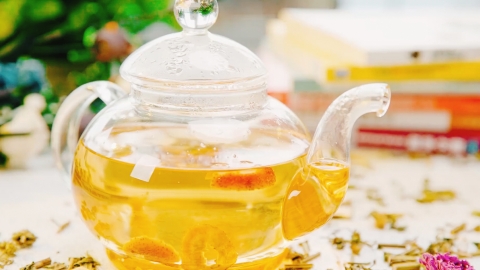
3. Lemon water: The citric acid in lemon water gently neutralizes the cooling nature of seafood, promotes gastric juice secretion, enhances digestive function, alleviates any greasy sensation that seafood may cause, and improves overall dining comfort.
4. Sugar-free soda water: Sugar-free soda water is mildly alkaline and helps neutralize excess stomach acid. It reduces the burden of high-protein seafood on the digestive system, helping prevent bloating, acid reflux, and other discomforts. Without added sugar, it does not increase metabolic strain on the body.
5. Low-alcohol clear liquor: Low-alcohol clear liquor has a low ethanol content, minimizing irritation to the stomach, intestines, and liver. Its mild flavor pairs well with seafood, and the small amount of alcohol can promote blood circulation and support digestive processes.
After consuming seafood with appropriate beverages, light walking is recommended to aid digestion. Avoid lying down immediately or engaging in intense physical activity. Also, refrain from drinking large amounts of water within half an hour after meals to reduce gastrointestinal burden. Maintaining regular and moderate eating habits supports long-term gastrointestinal health.






