


What does "oxygen inhalation 8H" mean?
Dec 10, 2025
Source: Cainiu Health

Dr. Ren Yi
Introduction
Oxygen inhalation for 8 hours generally refers to a patient requiring continuous oxygen intake over an 8-hour period. This procedure is primarily used to correct hypoxia, increase arterial blood oxygen partial pressure and oxygen saturation, thereby improving the patient's physiological condition. During oxygen therapy, the oxygen flow rate must be controlled according to medical instructions; patients should not adjust the flow rate on their own. The oxygen delivery equipment should be kept clean, and nasal cannulas should be replaced regularly to prevent infection due to contamination.
Oxygen inhalation for 8 hours (referred to as "oxygen inhalation 8H") generally means the patient needs to continuously inhale oxygen for 8 hours. This procedure is primarily used to correct hypoxia, increase arterial blood oxygen pressure and oxygen saturation, thereby improving the patient's physiological condition. A detailed explanation is as follows:
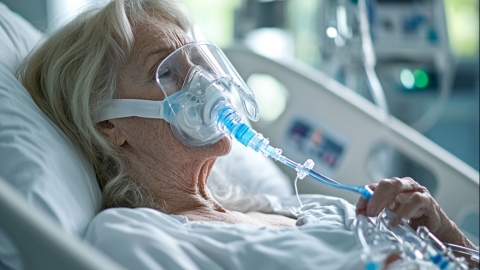
"Oxygen inhalation 8H" refers to delivering oxygen continuously to a patient via devices such as nasal cannulas or face masks over an 8-hour period. It is commonly used in conditions involving hypoxia caused by respiratory diseases, cardiovascular and cerebrovascular disorders, etc. When blood oxygen saturation drops, symptoms such as dizziness, fatigue, and shortness of breath may occur. Timely oxygen supplementation increases blood oxygen levels, improves oxygen supply to tissues and organs, relieves discomfort, and provides valuable time for disease treatment. This approach is particularly suitable for patients with mild hypoxia or those requiring long-term oxygen support.
During oxygen therapy, patients must follow medical instructions regarding oxygen flow rate and should not adjust it independently. The oxygen delivery equipment should be kept clean, and nasal cannulas should be replaced regularly to prevent contamination and potential infections. Monitor changes in the patient’s complexion, breathing, and other signs closely; if discomfort such as restlessness or dry mouth occurs, inform healthcare providers immediately. Ensure proper room ventilation, prohibit smoking and open flames to prevent hazards associated with oxygen leakage.




