


What causes lower back pain?
Dec 12, 2025
Source: Cainiu Health

Dr. Li Feng
Introduction
In general, low back pain may be caused by poor posture, overexertion, lumbar muscle strain, lumbar disc herniation, lumbar spinal stenosis, or other reasons. If discomfort occurs, it is recommended to seek timely medical evaluation and treatment at a正规 hospital. In daily life, maintain proper posture and avoid prolonged sitting or standing; when lifting heavy objects, squat down first before lifting to reduce strain on the lower back; and strengthen exercises for the back and abdominal muscles.
Generally, low back pain may be caused by poor posture, overexertion, lumbar muscle strain, lumbar disc herniation, lumbar spinal stenosis, and other reasons. If discomfort symptoms occur, it is recommended to seek timely medical evaluation and treatment at a正规 hospital. Specific analysis is as follows:
1. Poor posture: Prolonged bending, slouching, or sitting for long periods causes imbalanced pressure on the lumbar spine, leading to sustained muscle tension and pain. Correct sitting and standing postures, keep the back straight, stand up and move every hour, and choose chairs with good lumbar support.
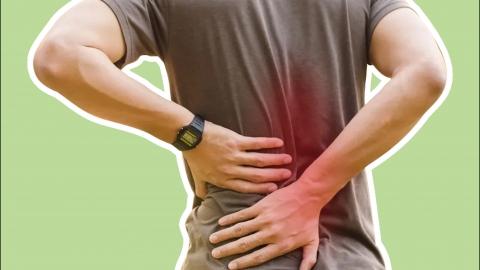
2. Overexertion: Sudden intense exercise or lifting heavy objects can cause strain in the back muscles and micro-tears in muscle fibers, resulting in lactic acid buildup and soreness. Immediately stop weight-bearing activities, rest in bed, apply warm compresses with a towel to relieve muscle tension, and perform gentle stretching during recovery.
3. Lumbar muscle strain: Long-term repetitive use of the lower back muscles leads to chronic aseptic inflammation, manifesting as recurrent dull pain. Medications such as diclofenac diethylamine gel, flurbiprofen gel patch, or ibuprofen tablets may be used under medical guidance, along with exercises to strengthen the lumbar and back muscles.
4. Lumbar disc herniation: Degeneration and protrusion of intervertebral discs compress nerve roots, causing sharp back pain accompanied by leg numbness. Under doctor's supervision, medications such as celecoxib capsules, mecobalamin tablets, or eperisone hydrochloride tablets may be prescribed. In severe cases, percutaneous endoscopic discectomy may be required.
5. Lumbar spinal stenosis: Reduced volume of the spinal canal compresses the spinal cord and nerves, leading to low back pain and intermittent claudication. Medications such as meloxicam tablets, tizanidine hydrochloride tablets, and vitamin B12 tablets may be used as directed. For patients unresponsive to conservative treatment, lumbar laminoplasty or decompression surgery may be considered.
In daily life, maintain proper posture and avoid prolonged sitting or standing; when lifting heavy objects, squat down first before lifting to reduce strain on the lower back; strengthen back and core muscle exercises to improve spinal stability; seek medical attention promptly if persistent pain occurs.




