


What to do if vomiting occurs after receiving the MMR vaccine
Dec 02, 2025
Source: Cainiu Health

Dr. Huang Yuhong
Introduction
Vomiting after receiving the MMR vaccine can be managed by staying hydrated to prevent dehydration, adjusting diet to reduce gastrointestinal burden, ensuring adequate rest to aid recovery, monitoring symptom changes, and avoiding self-administered medications. These symptoms are usually common adverse reactions to the vaccine. However, if vomiting becomes frequent and severe, or is accompanied by high fever, seizures, or lethargy, prompt medical attention is recommended.
After receiving the measles, mumps, and rubella (MMR) vaccine, vomiting may occur. This can be managed by rehydrating, adjusting diet, ensuring adequate rest, monitoring symptom changes, and avoiding self-medication. These reactions are commonly seen with vaccines. If vomiting is frequent and severe, accompanied by high fever, seizures, or lethargy, prompt medical attention is recommended.
1. Replenish fluids: Vomiting leads to fluid loss in the body. Drink small amounts of warm water or oral rehydration salts frequently to maintain electrolyte balance. Avoid drinking large quantities at once, which may trigger further vomiting.
2. Adjust diet: After vomiting subsides, consume light and easily digestible foods such as rice soup, noodle soup, or steamed egg custard. Avoid spicy, greasy, raw, or cold foods. Temporarily reduce food intake to allow the gastrointestinal tract to rest.
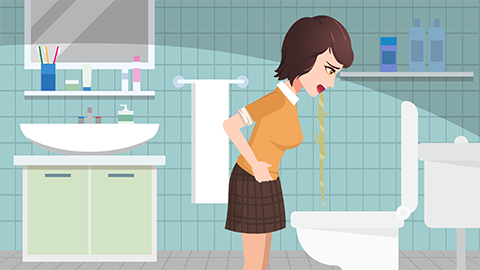
3. Ensure rest: Reduce physical activity and ensure sufficient sleep. Avoid fatigue, which may worsen discomfort, so the body can focus energy on the immune response triggered by the vaccine and promote recovery.
4. Monitor symptom changes: Record the frequency of vomiting and characteristics of vomitus. Watch for other symptoms such as fever, diarrhea, or rash to assess severity and guide further management.
5. Avoid self-medication: Do not take antiemetic drugs arbitrarily, as this may mask underlying conditions or interfere with vaccine efficacy. If vomiting persists, seek medical advice for appropriate treatment.
In daily care after vaccination, remain under observation for 30 minutes post-injection. Avoid intense physical activity immediately after returning home. During episodes of vomiting, maintain warmth—especially in the abdominal area—to prevent chills from worsening symptoms. Gradually resume normal eating, ensuring balanced nutrition without irritating the gastrointestinal tract.






