


Which part of the foot indicates kidney health?
Jun 06, 2026
Source: Cainiu Health

Dr. Yang Guang
Introduction
In general, one can assess kidney health by observing five specific areas of the feet: the toenails, spaces between the toes, heels, dorsum (top) of the feet, and the Yongquan acupoint on the soles. Additionally, the general public can use foot conditions as an initial indicator of kidney health. In daily life, regularly soaking the feet in warm water and engaging in moderate foot exercises can enhance blood circulation in the lower limbs and support kidney function.
Generally, the health status of the kidneys can be preliminarily assessed by observing five key areas of the feet: the toenails, the spaces between the toes, the heels, the dorsum (top) of the feet, and the Yongquan acupoint on the soles.
1. Toenails
When renal metabolic function remains stable, toenails appear uniformly colored, firm in texture, and smooth on the surface. Conversely, impaired kidney metabolism disrupts the body’s fluid balance and circulation of Qi and blood, leading to diminished peripheral blood flow to the feet. This may cause toenails to become pale, thin, brittle, dry, or cracked. Some individuals may develop vertical ridges of varying depth, and the nails overall lose their natural luster.
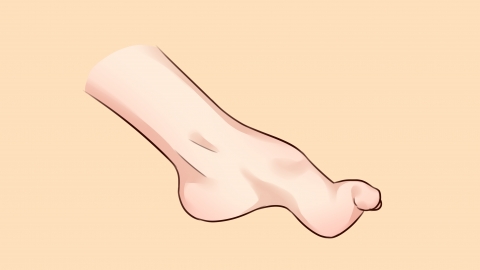
2. Spaces Between the Toes
The kidneys regulate the body’s water metabolism. When this function operates smoothly, the feet remain neither abnormally moist nor swollen. However, weakened kidney function impairs fluid metabolism, resulting in internal accumulation of dampness, which tends to descend and pool in the feet. Consequently, the interdigital spaces often remain persistently damp and itchy, predisposing individuals to peeling skin or ulceration—even in well-ventilated conditions, the area fails to stay dry.
3. Heels
Adequate Kidney Qi and abundant Qi and blood nourish the heels, keeping them plump, supple, and finely textured. In contrast, Kidney Qi deficiency leads to inadequate nourishment of bones and depletion of body fluids (Jin-Ye), manifesting as recurrent dryness, cracking, flaking, and thickened, rough skin on the heels. Affected individuals commonly experience soreness, fatigue, or discomfort while walking—symptoms that do not resolve quickly even after brief rest.
4. Dorsum (Top) of the Feet
Under normal water metabolism, the dorsum of the feet appears flat and unswollen. When the kidneys’ filtration and diuretic functions decline, excess fluid accumulates in the lower limbs, causing edema of the dorsal foot. Pressing on the swollen area leaves a temporary indentation (pitting edema) with slow rebound. Edema is typically most pronounced upon waking in the morning.
5. Yongquan Acupoint (on the Soles)
The Yongquan point corresponds to the Kidney meridian. When Kidney Qi is abundant, the soles maintain a comfortable temperature and feel firm to the touch. Impaired kidney health disrupts the overall circulation of Qi and blood, often resulting in chronically cold feet. Palpation of the Yongquan point may elicit soreness or pain, while the soles generally feel soft and weak, lacking resilience and strength.
In addition, individuals may use these foot-related signs as an initial, informal indicator of kidney health. In daily life, regularly soaking the feet in warm water and engaging in moderate foot exercises can enhance circulation in the lower limbs and support kidney function. Should persistent discomfort or symptoms arise, prompt medical evaluation and professional treatment at a hospital are strongly advised.



