Why Do Autoimmune Diseases Cause Skin Symptoms?
Jun 17, 2026
Source: Cainiu Health

Dr. Li Feng
Introduction
In general, the causes of skin manifestations in autoimmune diseases include immune-mediated attack on cutaneous tissues, inflammatory damage to subcutaneous blood vessels, dysregulation of cutaneous metabolic functions, abnormal pigment metabolism, and impairment of the skin barrier function. If any discomfort or symptoms arise, it is recommended to seek timely evaluation and treatment at a reputable hospital. A detailed analysis follows:
Generally, skin manifestations in autoimmune diseases arise from several underlying mechanisms, including immune-mediated attack on skin tissue, inflammatory damage to subcutaneous blood vessels, disruption of normal skin metabolism, abnormal pigment metabolism, and impairment of the skin barrier function. If any discomfort or skin-related symptoms occur, it is advisable to seek timely evaluation and treatment at a reputable hospital. A detailed analysis follows:
1. Immune-Mediated Attack on Skin Tissue
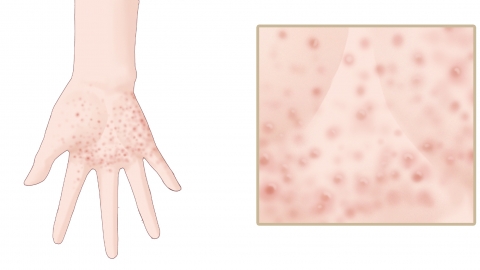
In autoimmune diseases, immune dysregulation leads to aberrant recognition of normal skin structures by immune cells. These misdirected immune cells persistently target epidermal and dermal cells, resulting in cellular damage and apoptosis. This process triggers various cutaneous abnormalities, such as erythema, rashes, and papules.
2. Inflammatory Damage to Subcutaneous Blood Vessels
A dysregulated immune system may infiltrate and attack small subcutaneous blood vessels, inducing vasculitis. This leads to abnormal vascular permeability, causing leakage and accumulation of blood components beneath the skin—resulting in petechiae and ecchymoses—and is a primary cause of generalized erythema and purpuric patches.
3. Disruption of Skin Metabolic Function
Immune imbalance interferes with the normal turnover cycle of skin cells, disrupting the equilibrium between epidermal cell proliferation and desquamation. Excessive accumulation of aged keratinocytes and delayed regeneration of new epidermal cells contribute to dryness, scaling, and roughness of the skin.
4. Abnormal Systemic Pigment Metabolism
Immune dysfunction impairs the normal activity of melanocytes, disrupting melanin synthesis and distribution. Insufficient melanin production or localized melanin deposition may lead to hypopigmented patches, hyperpigmentation, or uneven skin tone.
5. Compromised Skin Barrier Function
Chronic immune-mediated inflammation damages the structural integrity of the stratum corneum—the outermost protective layer of skin—reducing its capacity to retain moisture and defend against external insults. Even mild environmental stimuli can provoke pruritus and erythema, increasing skin sensitivity and exacerbating existing dermatological symptoms.
In daily life, maintaining skin cleanliness and hydration is essential. Use gentle, non-irritating skincare products to minimize external irritation. Wear soft, breathable clothing to avoid mechanical friction and skin trauma. Regular follow-up visits are crucial for monitoring disease activity and stabilizing systemic immune function—thereby reducing the recurrence of cutaneous manifestations.