


What Are the Symptoms of Pulpitis?
Jul 01, 2026
Source: Cainiu Health

Dr. Liu Chao
Introduction
In general, common symptoms of pulpitis include pain triggered by cold or hot stimuli, spontaneous pain, nocturnal pain, discomfort during occlusion, and referred pain. If any of these symptoms occur, it is advisable to seek timely medical evaluation and treatment at a reputable hospital. Detailed analysis is as follows: Additionally, pulpitis may also be accompanied by mild gingival redness and swelling, as well as oral malodor.
Generally, common symptoms of pulpitis include pain triggered by hot or cold stimuli, spontaneous pain, nocturnal pain, discomfort during biting, and referred pain. If any of these symptoms occur, it is advisable to seek timely diagnosis and treatment at a reputable hospital. A detailed analysis follows:
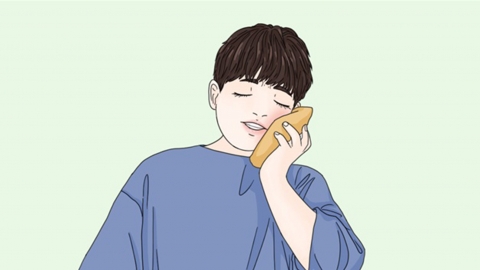
1. Pain Triggered by Hot or Cold Stimuli
This type of pain manifests as persistent dull or sharp pain following contact with hot or cold food or beverages. Bacterial infection within the oral cavity causes pulp hyperemia and inflammation, significantly increasing dentin permeability. Temperature changes can thus directly stimulate nerve endings within the pulp, triggering pain. Even after removal of the stimulus, the pain may persist briefly, interfering with normal eating.
2. Spontaneous Pain
Spontaneous pain refers to sudden, paroxysmal pain occurring in the absence of external stimulation. Inflammatory changes within the pulp chamber lead to accumulation of substantial inflammatory exudate, progressively elevating intrapulpal pressure. This sustained pressure compresses the pulp nerves, resulting in intermittent pain; as inflammation worsens, the frequency of pain episodes increases markedly.
3. Nocturnal Pain
Nocturnal pain typically occurs or intensifies when lying flat to sleep. In the supine position, increased cerebral blood pressure promotes pulp tissue hyperemia and edema, further elevating intrapulpal pressure and stimulating nerves to produce pain. When upright, this pressure decreases somewhat, thereby alleviating pain. Frequent nocturnal episodes severely impair sleep quality.
4. Discomfort During Biting
Biting discomfort presents as a dull ache or soreness while chewing. As pulpitis progresses, inflammation spreads to the periapical region, causing hyperemia and inflammation of periapical tissues. During occlusion, mechanical pressure and traction on the inflamed periapical tissues elicit discomfort. Over time, patients may avoid applying force while chewing.
5. Referred Pain
Referred pain radiates along the ipsilateral face, ear, and head. Since pulp nerves connect with branches of the trigeminal nerve, pain signals generated by pulp inflammation travel via these neural pathways, producing widespread pain that cannot be precisely localized to the affected tooth—often leading to confusion regarding the source of pain.
In addition, pulpitis may also present with mild gingival redness and swelling, as well as halitosis. In daily life, individuals should maintain consistent oral hygiene practices—including brushing teeth twice daily and rinsing after meals—to remove food debris from tooth surfaces. Regular dental examinations are essential; early detection and restoration of dental caries help prevent bacterial invasion into the pulp and subsequent inflammatory complications.


