


What Causes Uterine Pain?
Aug 03, 2026
Source: Cainiu Health

Dr. Zhang Lu
Introduction
Uterine pain may result from pelvic congestion during menstruation, sexual stimulation, pelvic inflammatory disease (PID), endometritis, adnexitis, and other conditions. It can be alleviated through measures such as abdominal warmth, moderation of sexual activity, and medication-based regulation. However, if the pain is severe or accompanied by abnormal bleeding, prompt medical attention is required.
1. Pelvic congestion during menstruation: During menstruation, pelvic blood vessels dilate and become congested, leading to discomfort in the lower abdomen—specifically at the uterine location.
Uterine pain may result from pelvic congestion during menstruation, sexual activity–induced stimulation, pelvic inflammatory disease (PID), endometritis, or adnexitis. Symptoms can be alleviated through abdominal warmth, moderation of sexual activity, and pharmacological regulation. However, if pain is severe or accompanied by abnormal vaginal bleeding, prompt medical evaluation is essential.
1. Pelvic congestion during menstruation: During menstruation, pelvic blood vessels dilate and become congested, causing a sensation of heaviness and dull pain in the lower abdomen—specifically over the uterine region. Menstrual blood mixed with metabolic waste products may further exacerbate lower abdominal discomfort. It is recommended to apply warm compresses to the lower abdomen, drink plenty of warm water, and avoid prolonged standing or strenuous physical labor.
2. Sexual activity–induced stimulation: Excessive force or high frequency of intercourse may stretch uterine ligaments, leading to transient, dull uterine pain; repeated stimulation may cause persistent lower abdominal soreness and distension. It is advisable to reduce the frequency of intercourse, perform intercourse gently, and temporarily abstain from sexual activity during periods of pain.
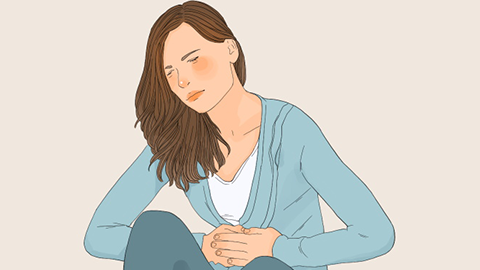
3. Pelvic inflammatory disease (PID): Invasion of pathogens into the pelvic cavity triggers inflammatory edema of pelvic tissues, resulting in persistent, heavy, dragging pain in the uterus. Vaginal discharge often appears yellowish and is accompanied by an unpleasant odor. Under physician guidance, medications such as Fuke Qianjin Tablets, Cefdinir Capsules, and Kangfu Xiaoyan Suppositories may be used to alleviate symptoms.
4. Endometritis: Bacterial infection of the endometrium causes endometrial hyperemia and edema, manifesting as recurrent sharp pain centrally located in the lower abdomen (over the uterus). Menstrual cramps typically intensify significantly during menses. Under medical supervision, patients may take Azithromycin Tablets, Jingangteng Capsules, or Metronidazole Vaginal Effervescent Tablets to relieve discomfort.
5. Adnexitis: Inflammation of the fallopian tubes and/or ovaries exerts traction on adjacent uterine structures, causing unilateral, pulling-type uterine pain. Lower abdominal discomfort markedly worsens after physical exertion. As directed by a physician, patients may use Levofloxacin Tablets, Hua Hong Granules, or Sophora Flavescens Gel to improve symptoms.
For daily care, maintain warmth over the lower abdomen; limit intake of raw, cold, or cooling foods; change breathable cotton underwear frequently; maintain regular sleep–wake cycles; engage in moderate, low-intensity exercise; and routinely clean the external genitalia to ensure dryness and hygiene of the perineal area.


