


What Causes Elbow Joint Pain?
Aug 08, 2026
Source: Cainiu Health

Dr. Chen Jian
Introduction
Elbow joint pain may result from overexertion, exposure of the joint to cold, lateral epicondylitis (tennis elbow), elbow synovitis, or tendon strain and inflammation. Symptoms can be alleviated by reducing load-bearing activities, keeping the affected area warm, and using appropriate medications. However, if pain persists and limits mobility, prompt medical attention is required. Repeatedly lifting or carrying heavy objects over a prolonged period continuously strains the soft tissues around the elbow, leading to muscle…
Elbow joint pain may result from excessive physical strain, cold exposure to the joint, lateral epicondylitis (tennis elbow), elbow synovitis, or tendon overuse and inflammation. Symptoms can be alleviated by reducing load-bearing activities, maintaining local warmth, and using appropriate medications. However, if pain persists or significantly restricts movement, prompt medical evaluation is advised.
1. Excessive Physical Strain: Repeatedly lifting or carrying heavy objects over a prolonged period continuously stretches the soft tissues around the elbow and causes sustained muscle tension, leading to soreness and pain during elbow movement. It is recommended to minimize repetitive elbow-straining activities; when pain occurs, discontinue such activities and allow the elbow joint adequate rest.
2. Cold Exposure: Direct exposure to cold wind or prolonged contact with cold water induces vasoconstriction in the elbow region, impairing local circulation and causing dull, aching discomfort during flexion and extension of the arm. Wearing an elbow brace for warmth, applying warm compresses frequently with a hot towel, and avoiding cold environments are advisable.
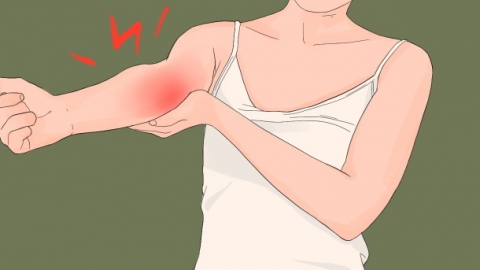
3. Lateral Epicondylitis: Repetitive friction of tendons around the elbow leads to sterile inflammation, manifesting as marked tenderness upon palpation over the lateral aspect of the elbow joint. Pain intensifies during activities such as wringing out a towel or lifting heavy objects. Under physician guidance, medications including diclofenac sodium sustained-release tablets, flurbiprofen gel patch, and Huoxue Zhitong Capsules may be used to alleviate symptoms.
4. Elbow Synovitis: Minor injury to the synovial membrane results in edema and fluid accumulation within the joint, causing swelling and softening of the elbow. Significant flexion or extension of the arm triggers sharp, uncomfortable pain. Under medical supervision, patients may use celecoxib capsules, Yunnan Baiyao plaster, and glucosamine capsules to relieve discomfort.
5. Tendon Overuse and Inflammation: Chronic tendon damage at the elbow elicits an inflammatory response, resulting in traction pain during joint movement. Stiffness and pain worsen after prolonged elbow flexion. As directed by a physician, loxoprofen sodium tablets, safflower oil, and Duyiwei soft capsules may be administered to improve symptoms.
In daily life, avoid prolonged weight-bearing activities involving the elbow; regularly apply local heat therapy; protect the joint from cold; perform gentle, moderate stretching exercises for the arm; and minimize recurrent soft-tissue injury to the elbow.




