


Can saffron cause infertility?
Aug 19, 2026
Source: Cainiu Health

Dr. Zhang Lu
Introduction
Drinking saffron in normal, moderate amounts does not cause infertility. Saffron promotes blood circulation and regulates menstruation, thereby improving women’s qi and blood circulation and helping to manage menstrual irregularities. Only long-term excessive intake or inappropriate use during pregnancy poses health risks. If you are trying to conceive without success for an extended period or experience menstrual disorders, consult a healthcare professional promptly for evaluation and management. The primary pharmacological action of saffron is to invigorate blood and resolve stasis; moderate consumption can help improve pelvic blood and qi circulation.
Normal, moderate consumption of saffron does not cause infertility. Saffron promotes blood circulation and regulates menstruation, thereby improving women’s qi and blood circulation and helping to manage menstrual irregularities. Only long-term excessive intake or inappropriate use during pregnancy poses health risks. If you have been trying to conceive for an extended period without success and experience menstrual disorders, consult a healthcare provider promptly for evaluation and treatment.
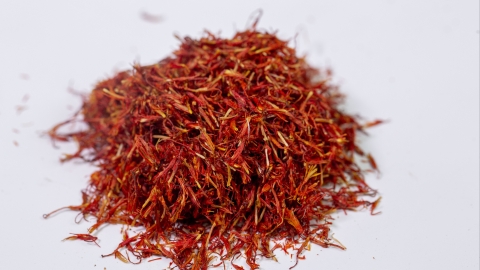
The primary therapeutic effect of saffron is promoting blood circulation and resolving blood stasis. Appropriate intake helps improve pelvic blood and qi flow and alleviate menstrual abnormalities caused by cold uterus and blood stasis—offering certain benefits for individuals preparing for pregnancy. This herb does not impair ovarian function, nor does it affect follicular development or ovulation; it has no pharmacological mechanism that induces infertility. When used appropriately in daily life, saffron does not negatively impact female fertility.
Prolonged, high-dose saffron consumption may accelerate blood and qi circulation excessively, potentially leading to prolonged or irregular menstruation and indirectly disrupting the timing of conception efforts. Individuals with deficient-cold constitution or qi and blood deficiency who take saffron indiscriminately may experience aggravated discomfort. By controlling dosage and duration of use—and avoiding large amounts during menstruation—adverse effects can be effectively avoided; there is no need for undue concern about infertility risk.
In daily life, consume nourishing foods as needed and in moderation; maintain regular sleep patterns and a positive mental state; and engage in consistent, gentle physical activity. These practices help stabilize endocrine function and optimize qi and blood balance—laying a solid foundation for conception preparation.


