


Can medication cure cough?
Aug 27, 2026
Source: Cainiu Health

Dr. Ren Yi
Introduction
Medication can alleviate cough symptoms, but it does not necessarily cure the cough completely. Coughing is merely a reflex response of the body; because its underlying causes vary, the effectiveness of medications also differs. Some coughs can only be fully resolved by treating the underlying disease. If a cough persists for a prolonged period or is accompanied by chest tightness or hemoptysis, prompt medical evaluation is essential to identify the cause.
Medication can alleviate cough symptoms, but it does not necessarily cure the underlying cause of the cough. Coughing is merely a reflex response of the body; its underlying causes vary, and thus the effectiveness of medications differs accordingly. Some coughs can only be fully resolved by treating the primary disease. If a cough persists for an extended period or is accompanied by chest tightness or hemoptysis (coughing up blood), prompt medical evaluation is essential to identify the root cause.
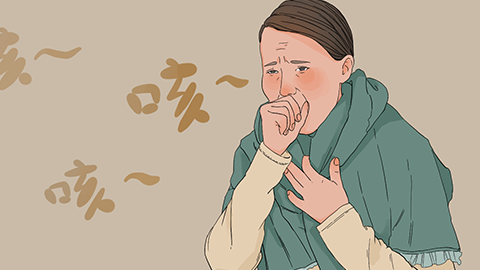
Coughs can arise from numerous causes, including respiratory infections, allergies, airway irritation, and gastroesophageal reflux. Antitussive (cough-suppressing) medications only suppress the cough reflex and relieve discomfort—they do not address the underlying pathogenic cause. In cases of viral infection-induced cough, most patients recover spontaneously through their own immune response; medications serve only as supportive, symptomatic therapy. Indiscriminate use of antitussives may even mask the true clinical picture.
In clinical practice, treatment selection is guided by the underlying cause of the cough: antibiotics are prescribed for bacterial infections; antihistamines or other anti-allergic agents for allergy-related cough; and expectorants are prioritized when excessive mucus production is present. Targeted intervention based on accurate diagnosis is key to resolving cough at its source. Additionally, avoiding external irritants—such as tobacco smoke, alcohol, dust, and cold air—helps reduce recurrent episodes.
In daily life, drinking ample warm water helps soothe and hydrate the throat and airways; maintaining indoor humidity; limiting intake of spicy or irritating foods; and ensuring adequate sleep all contribute to minimizing airway irritation and supporting mucosal repair in the respiratory tract.




