


How is gingivitis treated?
Sep 03, 2026
Source: Cainiu Health

Dr. Liu Chao
Introduction
Gingivitis can be treated through daily oral hygiene practices, professional dental cleaning (scaling), adjunctive topical medications, removal of local irritants, and regular dental follow-up visits. If spontaneous, profuse gingival bleeding, facial swelling, or fever occurs, prompt medical evaluation and treatment at a hospital are recommended.
Gingivitis can be treated through daily oral hygiene practices, professional dental cleaning (scaling), adjunctive topical medications, removal of local irritants, and regular dental follow-up examinations. If spontaneous, profuse gingival bleeding or symptoms such as facial swelling and fever occur, prompt medical evaluation and treatment at a hospital are recommended.
1. Maintain daily oral hygiene: Master proper toothbrushing techniques to effectively remove dental plaque from tooth surfaces. Complement brushing with dental floss to clear food debris from interdental spaces, thereby reducing microbial accumulation and proliferation, maintaining a baseline level of oral cleanliness, and disrupting conditions that perpetuate inflammation.
2. Perform professional dental cleaning (scaling): Utilize ultrasonic instruments to remove dental calculus and other deposits adhering to tooth surfaces. Eliminating these primary irritants reduces gingival congestion, redness, and swelling, thereby establishing the foundational conditions necessary for gingival tissue to return to a healthy state.
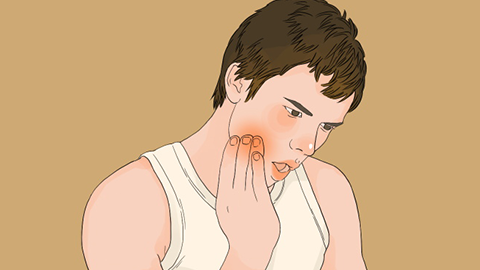
3. Apply adjunctive topical medications: When inflammatory signs are pronounced, topical agents may be applied directly to the gingival margin. These medications inhibit the proliferation of pathogenic bacteria around the gingiva, reduce mucosal congestion and edema, alleviate bleeding, and accelerate resolution of gingival inflammation.
4. Eliminate local irritants: Smooth sharp tooth edges and adjust ill-fitting restorations. Remove impacted food debris to eliminate sources of persistent friction or pressure on the gingiva, minimize recurrent foreign-body irritation, and prevent recurrent episodes of inflammation.
5. Schedule regular dental check-ups: Monitor actual gingival recovery progress and observe changes in bleeding and swelling. Detect early re-accumulation of plaque or calculus and intervene promptly to prevent simple gingivitis from progressing to more advanced periodontal disease.
In daily life, limit intake of sugary and sticky foods, and increase consumption of high-fiber foods. Undergo routine dental examinations at regular intervals to consolidate therapeutic outcomes, safeguard gingival health, and reduce the risk of recurrent oral inflammation.


