


Can you eat pomelo when you have a cold?
Sep 03, 2026
Source: Cainiu Health

Dr. Ren Yi
Introduction
Individuals with the common cold may consume moderate amounts of grapefruit, which is rich in water and contains various vitamins, helping to replenish essential nutrients. However, those with relatively weak spleen and stomach function or diarrhea should avoid excessive intake, as grapefruit is considered “cold” and “cooling” in nature; overconsumption may exacerbate gastrointestinal discomfort. If cold symptoms progressively worsen—such as developing high fever or coughing with wheezing—prompt medical attention is required for appropriate diagnosis and treatment.
Individuals with the common cold may consume moderate amounts of pomelo. Pomelo is rich in water and contains various vitamins, helping to replenish essential nutrients the body needs. However, those with weak spleen and stomach function or diarrhea should avoid excessive consumption, as pomelo is relatively cooling in nature; overconsumption may exacerbate gastrointestinal discomfort. If cold symptoms progressively worsen—such as developing high fever or wheezing cough—prompt medical consultation and targeted treatment are necessary.
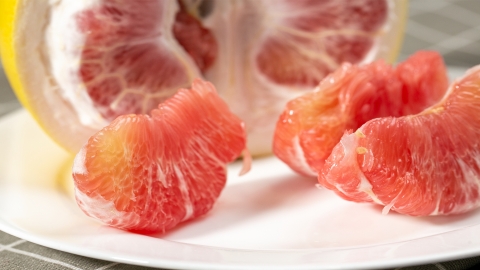
Pomelo has a high water content, which helps soothe the throat and alleviate dry mouth and sore throat associated with the common cold. Its vitamin content supports metabolic processes and aids the body’s defense against infection. However, due to its cooling nature and relatively high organic acid content, consuming large quantities of pomelo when gastrointestinal function is compromised may trigger abdominal pain or diarrhea, and may also irritate the throat, causing discomfort.
Most cases of the common cold resolve naturally with adequate rest and hydration. Over-the-counter medications may be used to relieve symptoms such as fever and nasal congestion. When consuming pomelo, portion control is important; avoid eating chilled pomelo flesh. If diarrhea or gastric coldness occurs, pomelo—and other similarly cooling fruits—should be completely avoided. Instead, opt for milder fruits like apples to prevent additional strain on the digestive system.
Maintain appropriate indoor humidity and drink plenty of warm plain water. Ensure sufficient rest, follow a light and easily digestible diet, and minimize intake of raw or cold foods to support both gastrointestinal and respiratory health, thereby facilitating gradual improvement of cold symptoms.







