


How is cold urticaria treated?
Sep 22, 2026
Source: Cainiu Health

Dr. Liu Wenmin
Introduction
Cold urticaria can be managed through measures such as adequate cold protection, gradual rewarming to soothe the skin, topical anti-itch medications, oral antihistamines, and modulation of the body’s immune status—thereby reducing cold-induced stimulation and alleviating allergic symptoms like wheals and pruritus. If symptoms such as chest tightness, shortness of breath, or widespread wheals over the body occur, prompt medical evaluation and treatment at a hospital are recommended.
Cold urticaria can be managed through measures such as proper cold protection, gradual rewarming to soothe the skin, topical anti-itch medications, oral antihistamines, and regulation of the body’s immune status. These approaches help minimize cold-induced stimulation and alleviate allergic symptoms—including wheals (hives) and pruritus (itching). If symptoms such as chest tightness, shortness of breath, or widespread generalized wheals occur, prompt medical evaluation and treatment at a hospital are strongly recommended.
1. Implement Effective Cold Protection:
When outdoors, wear scarves, gloves, and masks to minimize direct skin exposure to cold wind or cold water. During cold weather, limit prolonged outdoor stays and avoid direct contact of skin with ice-cold water or chilled objects—thereby reducing the likelihood of triggering an allergic reaction at its source.
2. Gradual Rewarming to Soothe the Skin:
After cold exposure triggers wheals, move promptly to a warm environment and gently rinse or soak the affected area in lukewarm water to relieve discomfort. Avoid using excessively hot items (e.g., heating pads or hair dryers) for rapid warming, as sudden temperature changes may exacerbate skin irritation. Instead, support the skin’s natural recovery by facilitating gradual return to normal temperature and function.
3. Topical Anti-Itch Medications:
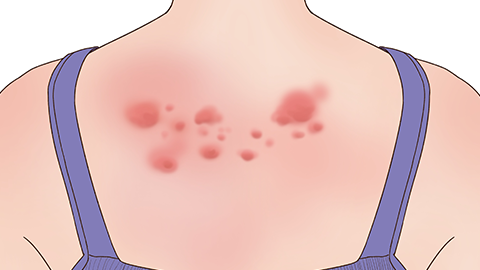
When erythematous wheals accompanied by pruritus appear, apply a thin layer of topical medication to the clean, affected area to reduce localized itching and redness. Apply evenly over the lesion(s), minimizing scratching to prevent skin trauma and lower the risk of secondary infection.
4. Oral Antihistamines:
For frequent episodes triggered by cold exposure or extensive rash distribution, prescribed antihistamines may be used to control the allergic response. Adhere strictly to physician instructions regarding dosage and duration to effectively suppress abnormal immune-mediated hypersensitivity and alleviate cutaneous discomfort across multiple sites.
5. Immune System Regulation:
Maintain regular sleep-wake cycles, engage in moderate physical activity, and consume a nutritionally balanced diet rich in essential vitamins and minerals. Long-term lifestyle adjustments enhance overall physiological resilience and tolerance to cold stimuli, thereby decreasing both the frequency and severity of recurrent cold urticaria.
In daily life, monitor ambient temperature fluctuations closely; proactively shield exposed skin before contact with cold water or wind; consistently pursue progressive physical conditioning; and sustain immune homeostasis—thus significantly reducing the incidence of cold-induced urticaria.



