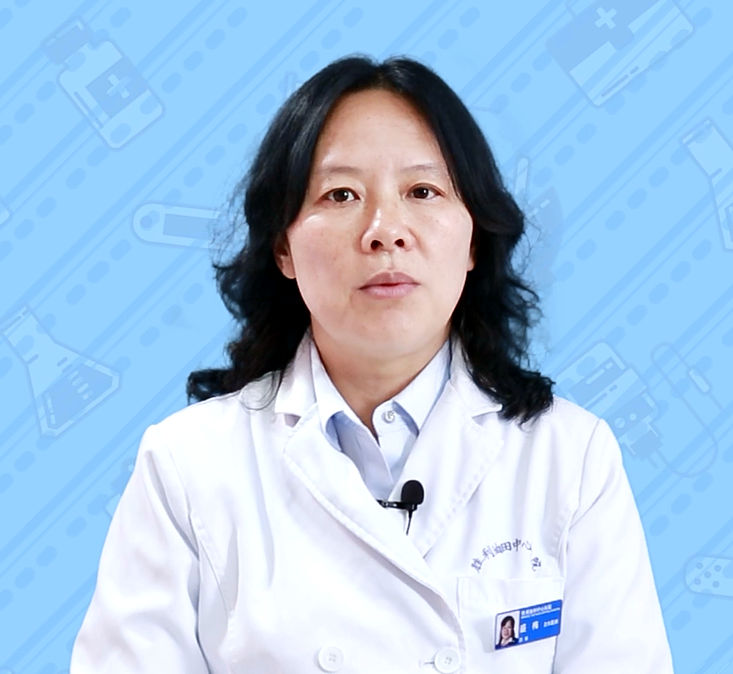
What anti-inflammatory medications are used for vulvitis?
Nov 05, 2021
Source: Cainiu Health

Dr. Yan Ying
Introduction
There are numerous anti-inflammatory medications available for treating vulvar inflammation; however, different anti-inflammatory drugs serve distinct purposes. Women must first undergo proper evaluation to identify the underlying cause of vulvar pruritus before selecting an appropriate treatment. For vulvar inflammation caused by bacterial vaginosis, cephalosporin antibiotics—such as ciprofloxacin—or potassium permanganate solution may be used. Additionally, Kangfu Capsules or Compound Ficus Hirta Wash Solution can be employed for external genital cleansing.
Vulvitis refers to inflammation of the vulvar skin caused by infection. In its early stages, it commonly causes symptoms such as pruritus (itching) and localized swelling or pain in the vulvar area. If not properly treated, vulvitis may progress to more pronounced swelling, intense itching, increased vaginal discharge, and even trigger endocrine imbalances. So, what anti-inflammatory medications are appropriate for treating vulvitis? Below, we address this question.

Which anti-inflammatory medications are used for vulvitis?
Numerous anti-inflammatory medications are available for treating vulvitis, each with distinct indications. Women should first undergo proper evaluation to identify the underlying cause of vulvar pruritus before selecting an appropriate treatment. For vulvitis secondary to bacterial vaginosis, cephalosporin-class antibiotics—such as ciprofloxacin—or potassium permanganate solution may be prescribed. Alternatively, Kangfu Capsules or Compound Ficus Septica Wash may be used for external cleansing of the genital area. Daily vulvar hygiene is essential to prevent recurrence: wear loose-fitting undergarments and regularly clean the vulvar area. Additionally, regular physical activity improves local blood circulation, thereby helping alleviate symptoms such as vulvar moisture and pruritus.

Knowledge Expansion: What Causes Vulvitis?
1. Drug-induced irritation
Many women self-medicate with over-the-counter drugs upon experiencing vulvar discomfort. However, prolonged use of such medications can severely irritate the vulvar tissues, potentially leading to inflammatory changes.
2. Poor hygiene practices
Many women neglect proper vulvar hygiene. Unsanitary sexual practices often promote bacterial proliferation. Moreover, long-term use of vaginal douches or cleansers may disrupt the natural physiological balance of the vulvovaginal microenvironment.
The above outlines common anti-inflammatory treatment options for vulvitis. We hope this information proves helpful to you.