


Early Symptoms of Pelvic Cancer
Dec 06, 2021
Source: Cainiu Health

Dr. Zhang Lu
Introduction
Pelvic cancer is a general term for malignant tumors occurring in the pelvic cavity and is associated with factors such as genetics, hormonal imbalances, and infections. Early symptoms may include dull lower abdominal pain, irregular vaginal bleeding, menstrual abnormalities, abnormal vaginal discharge, and urinary dysfunction. If any discomfort arises, prompt medical consultation is recommended, and treatment should be undertaken under the guidance of a physician. If pelvic cancer is diagnosed following the appearance of relevant symptoms, comprehensive treatment must be carried out strictly according to the physician’s instructions.
Pelvic cancer is a general term for malignant tumors occurring within the pelvic cavity and is associated with factors such as genetics, hormonal imbalances, and infections. Early symptoms may include dull lower abdominal pain, irregular vaginal bleeding, menstrual abnormalities, abnormal vaginal discharge, and urinary dysfunction. If any of these symptoms occur, prompt medical consultation is recommended, and treatment should be undertaken under the guidance of a physician. A detailed analysis follows:
1. Dull lower abdominal pain: In early-stage pelvic cancer, tumor growth may irritate pelvic tissues and nerves, resulting in dull lower abdominal pain or discomfort. This pain often worsens after physical exertion or sexual intercourse and may manifest as persistent dull ache or intermittent colicky pain.
2. Irregular vaginal bleeding: As the tumor grows, it may invade the endometrium or cervical tissue, causing blood vessel rupture and subsequent irregular vaginal bleeding. Such bleeding may be accompanied by pain or a sensation of pressure, and the volume may vary depending on disease progression.
3. Menstrual abnormalities: Pelvic cancer may lead to shortened menstrual cycles, increased menstrual flow, or prolonged menstruation—indicative of menstrual irregularities. These disturbances likely result from impaired normal endometrial function due to tumor involvement.
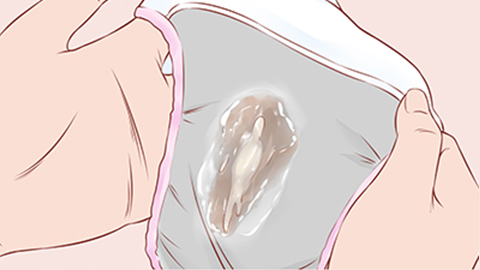
4. Abnormal vaginal discharge: Patients with pelvic cancer may experience increased vaginal discharge, which may appear yellowish and emit an unusual odor. This may stem from hypersecretion of cervical glands stimulated by the tumor or from infection secondary to necrosis of cancerous tissue.
5. Urinary dysfunction: Pelvic tumors may compress the bladder or urethra, impairing normal urinary function and leading to symptoms such as urinary frequency, urgency, and dysuria. As the tumor enlarges, urinary obstruction and difficulty voiding may further develop.
If corresponding symptoms are present and pelvic cancer is diagnosed, comprehensive treatment—guided by a physician—is essential. Treatment modalities may include surgical resection, radiation therapy, and chemotherapy, aimed at controlling disease progression.








