


Can gastric gastrointestinal stromal tumors (GISTs) be cured?
Dec 13, 2021
Source: Cainiu Health
Dr. Lu Chaohui
Introduction
Can gastric gastrointestinal stromal tumors (GISTs) be cured?
Yes, gastric GISTs can potentially be cured if detected and treated early. However, the most critical step is to first visit a hospital for relevant diagnostic tests; the treatment plan is then determined based on the test results. In most cases, surgical resection is the primary treatment modality, enabling complete removal of the tumor.
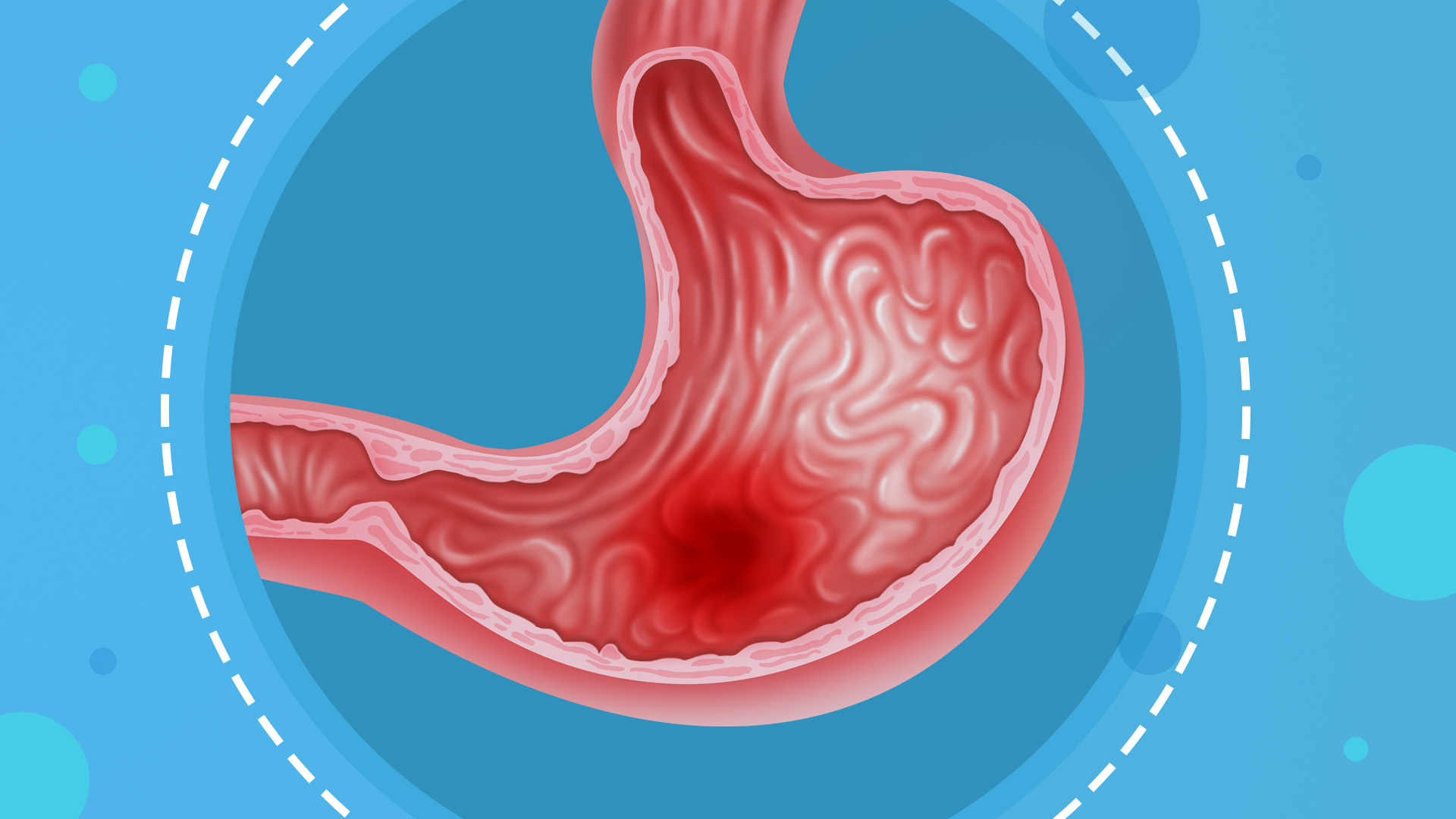
Gastrointestinal stromal tumors (GISTs) of the stomach often cause significant anxiety upon diagnosis. In fact, the prognosis for this condition is generally favorable—early detection and prompt treatment substantially increase the likelihood of cure. However, the most critical initial step is to undergo comprehensive diagnostic evaluation at a hospital; treatment strategy is then determined based on the findings. Surgical resection remains the primary therapeutic approach for most patients, enabling complete removal of the lesion.Elective surgical resection is the standard treatment, with wedge gastrectomy being the predominant surgical technique. This procedure is indicated for tumors located in the gastric fundus or body, protruding through the serosa, and measuring 1.0–3.0 cm in diameter.
Treatment Options for Gastric GIST
Pharmacotherapy
Adjuvant imatinib—a targeted tyrosine kinase inhibitor—is recommended postoperatively for patients with intermediate- or high-risk disease.
Surgical Treatment
Surgical resection is indicated for all gastric GISTs larger than 2 cm. The goal is an R0 resection—complete excision of the tumor along with its pseudocapsule, with a 1–2 cm margin around the lesion. Given the rarity of lymph node metastasis in GIST, routine lymphadenectomy is unnecessary. During surgery, meticulous care must be taken to avoid tumor rupture or compression. For cases with local invasion or peritoneal dissemination, en-bloc resection involving adjacent organs may be performed if curative intent remains feasible.
Other Therapeutic Modalities
Small GISTs exhibiting polypoid intraluminal growth within the gastrointestinal tract may be successfully removed endoscopically, thereby achieving both diagnostic confirmation and therapeutic intervention.
CT Imaging Features of Gastric GIST
1. Gastric GISTs most commonly arise in the gastric body or fundus; involvement of the antrum is relatively rare.
2. These tumors typically originate from either end of the gastric muscularis propria and tend to grow perpendicularly to the gastric wall. They characteristically exhibit large yet well-circumscribed masses, manifesting as round or oval soft-tissue lesions growing intraluminally, extraluminally, or both. Surface ulceration may be present.
3. GISTs are highly vascularized; progressive (homogeneous or heterogeneous) enhancement is the hallmark contrast-enhancement pattern.
4. Low-grade malignant GISTs: Typically measure <5 cm, display regular morphology and homogeneous attenuation, occasionally contain punctate calcifications, and demonstrate clear or mildly indistinct margins relative to adjacent structures, with minimal mass effect and rare infiltration of neighboring organs or tissues.
5. Malignant GISTs: Usually >5 cm in diameter, show irregular shape and heterogeneous attenuation due to hemorrhage, necrosis, or cystic degeneration, and exhibit poorly defined margins with adjacent organs or tissues. Septated enhancement patterns correlate strongly with malignancy and poorer prognosis; similarly, multifocal gastric GISTs portend a worse outcome.
The above provides an overview addressing the question, “Can gastric GIST be cured?”We hope this information proves helpful. Wishing you good health and happiness.






