


Can psoriasis be cured completely?
Jun 26, 2026
Source: Cainiu Health

Dr. Liu Wenmin
Introduction
Psoriasis is commonly referred to as “psoriasis vulgaris.” In most cases, psoriasis cannot be completely cured. If you experience any discomfort or symptoms, it is advisable to seek medical attention promptly. Proactive daily care can help stabilize your overall health and reduce the frequency of disease flare-ups. Maintain regular sleep patterns and emotional balance; avoid prolonged sleep deprivation and chronic mental stress. Consistently perform skin moisturization and barrier repair.
Psoriasis is commonly referred to as “psoriasis vulgaris” (often colloquially called “psoriasis” in Chinese). In most cases, psoriasis cannot be completely cured. If you experience any discomfort or symptoms, prompt medical consultation is strongly recommended. A detailed explanation follows:
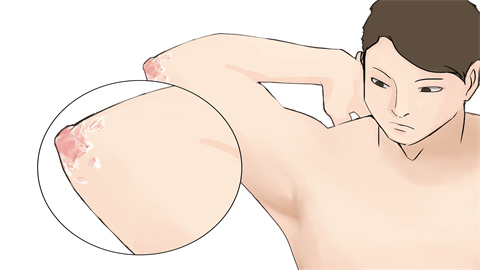
The pathogenesis of psoriasis is complex and involves multiple interacting factors—including genetic predisposition, dysregulation of the immune system, and environmental triggers. When immune function becomes abnormally activated, it persistently stimulates excessive proliferation of epidermal keratinocytes, leading to recurrent cutaneous inflammatory responses. Genetic susceptibility remains intrinsic to the individual and cannot be fully eradicated through conventional treatments. External triggers—such as infections, irregular sleep patterns, or emotional stress—may reactivate this abnormal immune state at any time, prompting recurrence of skin lesions. Current therapies can only suppress inflammation, resolve existing lesions, and control disease progression; they cannot fundamentally correct underlying immune dysfunction or genetic abnormalities.
Proactive daily self-care helps stabilize overall health and reduce the frequency of disease flares. Maintain regular sleep-wake cycles and emotional equilibrium; avoid chronic sleep deprivation and prolonged psychological stress. Consistently apply moisturizers to support skin barrier repair and minimize adverse stimuli such as dryness or trauma. Adopt a light, nutritionally balanced diet and engage in moderate physical exercise to help regulate immune function and sustain long-term skin health.


