What are the symptoms of gastric spasm?
Jan 05, 2022
Source: Cainiu Health

Dr. Zhao Haiming
Introduction
1. Common symptoms in patients primarily include upper abdominal pain and vomiting. These symptoms are often associated with gastric disorders such as gastric ulcers, cold invasion of the stomach, or gastritis.
2. Other possible symptoms: Some patients may also experience spasm and rigidity of the rectus abdominis muscle. Additional manifestations may include nausea and vomiting; in severe cases, pallor, cold extremities, profuse cold sweating, and even loss of consciousness.
Gastric spasm refers to involuntary contractions (cramping) of the stomach muscles—a state characterized by intense, abnormal gastric muscular contraction. It is a relatively common, benign disorder of the digestive system. Gastric spasm typically arises from functional neurological abnormalities but may also result from organic gastric pathology. Various symptoms may accompany gastric spasm. Below, we address the question: “What are the symptoms of gastric spasm?”
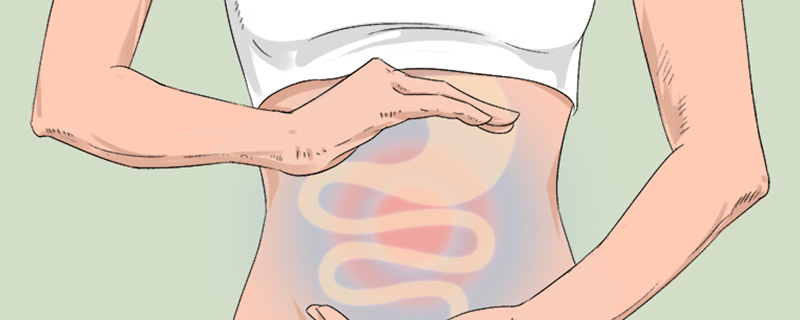
What Are the Symptoms of Gastric Spasm?
1. Common Symptoms in Patients
The predominant manifestations include upper abdominal pain and vomiting. Patients with underlying gastric conditions—such as gastric ulcers, gastric exposure to cold, or gastritis—are particularly prone to gastric muscle cramping. The pain may be described as stabbing, sharp, burning, or colicky.
2. Other Possible Symptoms
Some patients may also experience spasms of the rectus abdominis muscle. Additional symptoms may include nausea and vomiting; in severe cases, patients may develop pallor, cold extremities, profuse cold sweating, and even loss of consciousness.
Knowledge Extension: What Is Gastric Spasm?
1. Gastric spasm denotes involuntary cramping of the stomach muscles—an intense, abnormal contractile state—and is a common, benign digestive disorder.
2. It most frequently results from functional neurological disturbances but can also stem from organic gastric disease. Stimulation of gastric smooth muscle cells triggers reflexive hyperexcitability of the vagus nerve, leading to heightened gastric muscle tone and excessive, spasmodic contractions. Acute gastric spasm commonly occurs in patients with chronic gastritis (superficial or atrophic) or peptic ulcer disease (gastric or duodenal).
3. Typical manifestations include postprandial epigastric fullness and pain, accompanied by acid reflux, nausea, and sometimes vomiting. Severe pain may radiate to the back or lumbar region.
4. Gastric spasm itself is a symptomatic presentation; treatment is primarily symptomatic—aimed at spasmolysis, analgesia, and antiemesis. Recurrent episodes warrant investigation into underlying etiologies and targeted management of the primary condition.
5. Gastric spasm may cause severe epigastric pain, potentially resulting in syncope or even shock. Prolonged spasm may induce catarrhal inflammation of the gastric mucosa. Furthermore, neural excitation originating from gastric spasm may trigger spasms in adjacent organs, leading to complications such as obstructive jaundice, biliary acute pancreatitis, or appendicitis.
6. With timely intervention, the prognosis is generally favorable.
The above outlines the key symptoms associated with gastric spasm. We hope this information proves helpful.