


What Are the Symptoms of Gastric Spasm?
Jun 08, 2022
Source: Cainiu Health

Dr. Zhao Haiming
Introduction
Patients with gastric spasm typically experience upper abdominal pain and vomiting. Individuals with gastric disorders often suffer from conditions such as gastric coldness, gastric ulcers, and gastritis. These conditions can trigger involuntary contractions of the gastric musculature. During a gastric spasm, patients commonly flex their upper limbs or clench their fists to alleviate pain. Some pain may radiate to the left chest, scapula, and back. Concurrently, patients may also experience spasms of the rectus abdominis muscle.
In daily life, irregular or delayed meals are common, which may lead to gastric disorders. Additionally, the stomach may occasionally experience spasms. So, what are the symptoms of gastric spasm?
Symptoms of Gastric Spasm
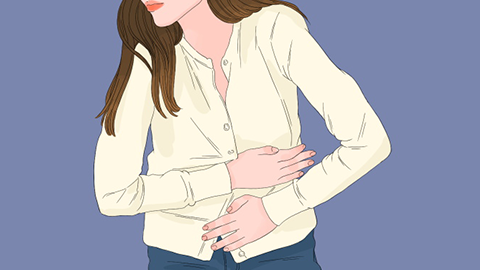
Patients with gastric spasm typically experience upper abdominal pain and vomiting. Underlying gastric conditions—such as gastric coldness, gastric ulcers, or gastritis—often contribute to involuntary contractions of the gastric musculature. During an episode, patients commonly bend forward at the waist or clench their fists in an attempt to alleviate pain. Some pain may radiate to the left chest, scapular region, or back. Concurrently, the rectus abdominis muscle may also spasm. Additional symptoms include pallor, nausea, vomiting, cold extremities, and profuse cold sweating. In severe cases, patients may even lose consciousness. Symptoms such as hiccups or vomiting usually subside within minutes to several hours.

Irregular eating habits in daily life increase the risk of gastric spasm. Overeating, consuming spicy, raw, or cold foods can irritate the gastrointestinal tract and trigger gastric spasm. Long-term smoking also elevates the incidence of gastric spasm. Frequent use of certain medications may disrupt the stomach’s self-regulation of gastric acid secretion and compromise the protective mucosal barrier, thereby predisposing individuals to gastric spasm.
Patients should strictly avoid excessively spicy, cold, sour, or pungent foods—such as scallions, ginger, garlic, and chili peppers—which are considered “heat-inducing” in traditional medicine. It is also advisable to avoid foods that may provoke symptoms, including beef, mutton, and seafood. We hope this information proves helpful to you.


