


What should I do if my filled tooth hurts inside?
Jan 14, 2022
Source: Cainiu Health

Dr. Fu Gang
Introduction
If a previously filled tooth becomes painful again, this is commonly caused by chronic pulpitis. In most cases, spontaneous pain associated with chronic pulpitis is not prominent; however, after dental restoration, the increasing intrapulpal pressure may exacerbate spontaneous pain. Patients should visit the Department of Operative Dentistry and Endodontics at a hospital for a thorough evaluation of the pulp condition.
Dental fillings are a very familiar procedure for most people—many individuals have undergone this treatment in daily life, and some have even had multiple teeth filled. However, numerous patients experience tooth pain following dental restoration. So what should one do if a previously filled tooth becomes painful? Below, we address this common concern.
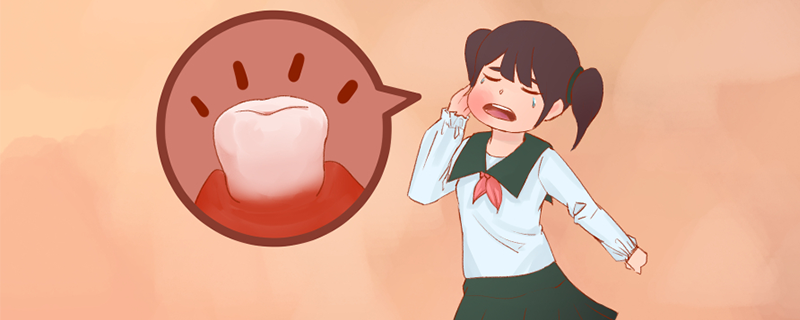
What to Do If a Filled Tooth Hurts
Pain occurring after a tooth has been restored is commonly caused by chronic pulpitis. Typically, spontaneous pain associated with chronic pulpitis is mild or even absent initially. However, following dental filling, increasing intrapulpal pressure may exacerbate spontaneous pain, making it more noticeable. Patients should visit the Department of Operative Dentistry and Endodontics at a hospital for a thorough evaluation of pulpal status—for instance, cold and heat sensitivity testing.
If chronic pulpitis is confirmed, root canal treatment is necessary. Under local anesthesia, the pulp chamber is accessed via drilling, and the infected pulp tissue is removed to relieve excessive intrapulpal pressure—thereby alleviating pain. Subsequently, standard root canal procedures—including root canal preparation, irrigation, disinfection, and final obturation—are performed step-by-step.
Additional Information: Post-Filling Care Guidelines
1. Mild sensitivity (e.g., sour or sharp sensations) may occur for 1–2 weeks after caries restoration. Avoid extremely hot or cold foods during this period; use lukewarm water when brushing. If prolonged pain persists upon thermal stimulation—or if spontaneous pain develops—seek prompt dental evaluation.
2. If localized swelling, occlusal discomfort, or filling dislodgement occurs post-restoration, consult your dentist immediately.
3. After extensive restorations, avoid excessively hard or tough foods to prevent filling fracture or dislodgement.
4. For deep caries managed with temporary sedative fillings, timely follow-up appointments are essential. Temporary filling materials have low hardness and gradually wear down or detach over time, potentially recontaminating the cavity.
5. If an amalgam restoration was placed, avoid chewing on the treated side for at least 24 hours.
The above outlines appropriate management strategies for pain following dental restoration. We hope this information proves helpful.






