Can baijiu (Chinese white spirit) treat rheumatism?
Jan 18, 2022
Source: Cainiu Health

Dr. Li Ruizhi
Introduction
Baijiu (Chinese white spirit) cannot treat rheumatic diseases. It is merely a common alcoholic beverage and has no therapeutic effect on rheumatic conditions. Moreover, long-term consumption of baijiu increases the burden on the liver and may lead to alcoholic liver disease, thereby hindering the treatment of rheumatic diseases. Rheumatic diseases are common autoimmune disorders with highly complex etiologies and can affect multiple organs and systems.
Rheumatic diseases constitute a group of disorders primarily affecting joints, bones, muscles, blood vessels, and related soft tissues or connective tissues—most of which are autoimmune in nature. Onset is often insidious and gradual, the disease course tends to be prolonged, and many rheumatic conditions exhibit a genetic predisposition. Diagnosis and treatment both pose considerable challenges. So, can baijiu (Chinese distilled liquor) treat rheumatic diseases? The following addresses this question.
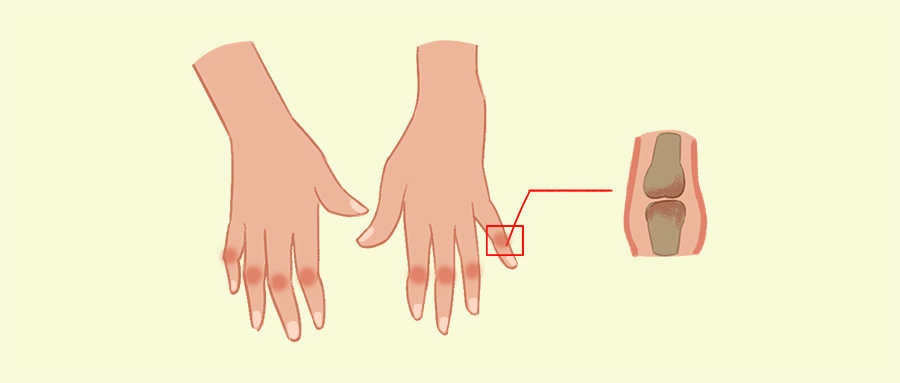
Can baijiu treat rheumatic diseases?
No, baijiu cannot treat rheumatic diseases. Baijiu is merely a commonly consumed alcoholic beverage with no therapeutic effect against rheumatic conditions. Moreover, long-term consumption of baijiu increases hepatic burden and may lead to alcoholic liver disease, thereby adversely affecting the management of rheumatic diseases.
Rheumatic diseases are common autoimmune disorders with highly complex etiologies and multisystem involvement. They may affect joints, muscles, and surrounding tissues, as well as vital organs including the lungs, heart, and kidneys. Pharmacotherapy remains the cornerstone of treatment; however, drug selection varies significantly depending on the specific rheumatic condition. Commonly used medications include glucocorticoids, immunosuppressants, nonsteroidal anti-inflammatory drugs (NSAIDs), disease-modifying antirheumatic drugs (DMARDs), and biologic agents. With over 100 distinct rheumatic disorders identified, individualized treatment plans must be tailored according to each patient’s clinical presentation. Although rheumatic diseases are currently incurable, appropriate pharmacologic intervention can effectively control symptoms and induce remission in most patients.
The above provides an overview addressing whether baijiu can treat rheumatic diseases. We hope this information proves helpful.