


What Causes Ingrown Toenails?
Feb 14, 2022
Source: Cainiu Health

Dr. Lin Yunfei
Introduction
Paronychia of the foot is typically caused by disruption of the normal skin barrier—often due to excessive nail trimming or ingrown nails—followed by secondary microbial infection. It refers to inflammation of the nail fold (the groove along either side of the toenail) and surrounding tissue, most commonly resulting from bacterial infection, such as *Staphylococcus aureus* or *Streptococcus pyogenes*. Patients typically present with erythema, swelling, warmth, and pain around the nail; in severe cases, abscess formation may occur.
Toenail groove inflammation (paronychia) refers to an infection occurring in the nail groove—the area surrounding the edges of the toenail. It is most commonly caused by minor trauma, such as improper toenail trimming or friction from ill-fitting footwear. Below, we address the underlying causes of toenail groove inflammation.
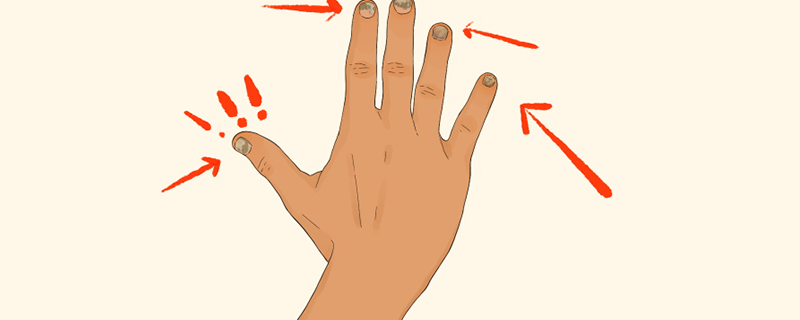
What Causes Toenail Groove Inflammation?
Toenail groove inflammation typically results from disruption of the normal skin barrier—often due to excessive nail trimming or ingrown toenails—followed by secondary microbial infection.
Toenail groove inflammation is an inflammatory condition affecting the nail fold (the skin along both sides of the toenail) and surrounding tissues, most frequently caused by bacterial infection—commonly Staphylococcus aureus or Streptococcus pyogenes. Patients typically present with erythema, swelling, warmth, and tenderness around the nail. In severe cases, abscess formation may occur, with purulent discharge draining from the nail groove.
Treatment should be guided by a healthcare professional and may include topical medications such as mupirocin ointment, tacrolimus ointment, or fusidic acid cream. Oral antibiotics—including cefuroxime axetil tablets or levofloxacin capsules—may also be prescribed. For cases with established abscesses, incision and drainage are indicated. In severe or recurrent cases, partial or complete nail avulsion may be necessary.
Daily foot care is essential: keep feet dry and clean; avoid squeezing, soaking in hot water, or using harsh cleansers. Use mild soap for washing, and thoroughly dry feet afterward. Nutritionally, consume a high-protein, vitamin-rich diet—especially foods rich in vitamin C (e.g., oranges, celery)—to bolster immunity and support wound healing.
The above outlines the primary causes of toenail groove inflammation. We hope this information is helpful to you.



