


Which department should I visit for goiter?
Feb 14, 2022
Source: Cainiu Health

Dr. Lin Yunfei
Introduction
“Goiter” is a colloquial term; medically, it is known as “thyromegaly” or “enlargement of the thyroid gland,” and patients should consult the Department of Endocrinology at a hospital. Thyromegaly refers to an increase in the size and/or alteration in the shape of the thyroid gland. As one of the body’s most vital endocrine organs, the thyroid falls within the scope of diagnosis and treatment by endocrinologists; therefore, patients should register for an appointment in the Department of Endocrinology.
“Goiter” (colloquially termed “big neck disease”) generally refers to thyroid enlargement. Chronic thyroid enlargement caused by various etiologies is medically termed “goiter.” Below, we address this question in detail.
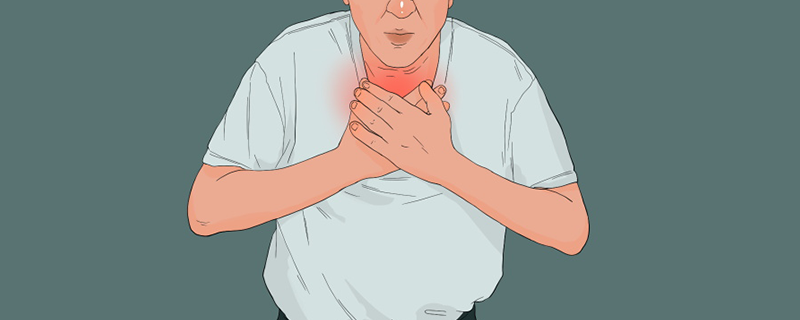
Which department should patients visit for goiter?
“Big neck disease” is a colloquial term; its medical designation is “goiter.” Patients are generally advised to consult the Department of Endocrinology at a hospital.
Goiter refers to an increase in the size and/or alteration in the shape of the thyroid gland. As one of the body’s most vital endocrine organs, the thyroid falls squarely within the scope of endocrinological diagnosis and treatment; thus, patients should register with the Department of Endocrinology.
We recommend seeking care at a Grade A tertiary hospital’s Department of Endocrinology or a specialized Thyroid Clinic for comprehensive evaluation, precise etiological diagnosis, and targeted treatment. Patients should cultivate healthy lifestyle habits—ensuring adequate rest, avoiding late-night activities, consuming a light diet while refraining from spicy or irritating foods—and maintaining psychological well-being by managing emotions effectively and avoiding anger or irritability.
Medical management of goiter includes pharmacotherapy. Under physician supervision, patients may take levothyroxine sodium tablets, as goiter pathogenesis is often linked to thyroid-stimulating hormone (TSH) stimulation; levothyroxine sodium suppresses TSH secretion and thereby treats the condition. Radioactive iodine therapy (e.g., using Iodine-131) is another option, which can reduce thyroid volume.
Iodine supplementation through diet is also recommended. Consume iodine-rich foods such as kelp, jellyfish skin, and nori. Ensure adequate intake of carbohydrates, protein, and B vitamins. Patients should rest in a quiet, well-ventilated environment and engage in appropriate physical activity.
The above outlines which department patients should visit for goiter. We hope this information proves helpful.







