


Can patients with liver cirrhosis take hepatoprotective tablets?
Mar 08, 2022
Source: Cainiu Health

Dr. Pan Guozheng
Introduction
Patients with liver cirrhosis may take hepatoprotective tablets, but the decision should be based on individual clinical circumstances. If significant hepatic dysfunction is present, hepatoprotective tablets may be considered; however, such tablets alone are insufficient for comprehensive management. Currently, commonly used medications also include polyene phosphatidylcholine, reduced glutathione tablets, compound glycyrrhizin, bicyclol, ursodeoxycholic acid, and ademetionine disulfonate, among others.
When liver cirrhosis develops, it indicates that significant pathological changes have already occurred in the liver. At this stage, appropriate interventions must be implemented based on the severity of cirrhosis to prevent further progression and associated bodily harm. So, can patients with liver cirrhosis take hepatoprotective tablets? Let’s explore this question below.
Can patients with liver cirrhosis take hepatoprotective tablets?
Patients with liver cirrhosis may take hepatoprotective tablets, but the decision should be individualized. If a patient exhibits明显 abnormalities in liver function, hepatoprotective tablets may be considered; however, such tablets alone are insufficient for comprehensive management. Currently available medications commonly used include polyenylphosphatidylcholine, reduced glutathione tablets, compound glycyrrhizin, bicyclol, ursodeoxycholic acid, and ademetionine disulfonate—butyrate. Selection among these agents should be tailored to the patient’s specific clinical condition.
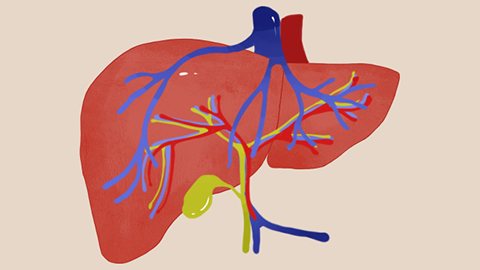
If a patient with liver cirrhosis has completely normal liver function and is in a relatively stable phase of cirrhosis, hepatoprotective medications are generally unnecessary. Instead, treatment should focus primarily on addressing the underlying cause and, where appropriate, incorporating antifibrotic agents. Etiology-directed therapy is paramount—for instance, in cases of hepatitis B-related cirrhosis, strict adherence to prescribed antiviral regimens (e.g., entecavir or tenofovir) is essential, and medication must never be discontinued arbitrarily.
We hope the above information is helpful to you.




