Postoperative Care for Cervical Polyps
Apr 01, 2022
Source: Cainiu Health

Dr. Lv Aiming
Introduction
Cervical hypertrophy is a manifestation of chronic cervicitis and can adversely affect women’s health. Most patients undergo surgical treatment. Postoperatively, patients must pay close attention to nursing care: adequate rest is essential, and overexertion must be avoided. Patients should permanently adopt good hygiene practices, strictly follow medical instructions, take prescribed medications on schedule, and consume nutrient-rich, easily digestible foods.
Cervical polyps are a manifestation of chronic cervicitis and can adversely affect women’s health. Surgical removal is the most common treatment. Postoperatively, patients must pay close attention to nursing care: adequate rest is essential, overexertion must be avoided, good hygiene habits should be established permanently, medical instructions strictly followed, medications taken on schedule, and a diet rich in easily digestible, nutrient-dense foods maintained.
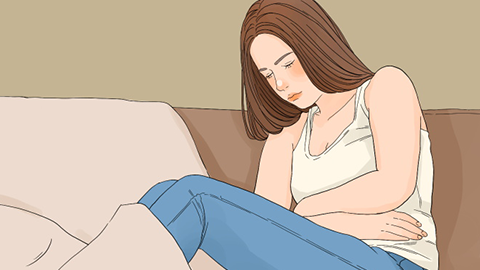
Postoperative Care for Cervical Polyps
Surgical excision is the most common treatment for cervical polyps. Surgery is generally performed during the intermediate stage of the disease to minimize systemic impact. Postoperative care is critical to prevent recurrence; patients must rest adequately and nurture their mental well-being. As cervical polypectomy is minimally invasive with minimal tissue trauma, patients may resume light physical activity after surgery, provided they balance rest and activity appropriately.
Following surgery, patients must closely adhere to their physician’s instructions, including timely medication administration—typically antibiotics to prevent bacterial infection and support recovery. Regular follow-up visits are essential to monitor healing progress and ensure active collaboration with healthcare providers toward full recovery.
After cervical polypectomy, patients must maintain heightened personal hygiene and cultivate sound hygienic practices. Daily cleansing of the external genitalia with warm water is recommended. Sexual intercourse should be avoided, especially immediately following surgery, as it increases the risk of bacterial invasion and may compromise recovery. Diet plays a vital role postoperatively: patients should consume easily digestible foods, particularly fresh vegetables and fruits.
Additionally, patients should prioritize rest while engaging in appropriate physical activity, maintain a balanced work–rest schedule, take prescribed medications consistently, attend scheduled follow-up appointments to prevent recurrence, practice good hygiene, and consume nutritious, easily digestible foods—all to bolster immune function and promote optimal recovery.