How to properly clean increased smegma
Apr 02, 2022
Source: Cainiu Health

Dr. Wang Jianlong
Introduction
The prepuce (foreskin) is the fold of skin that covers the external surface of the penis. Retracting the foreskin reveals the glans penis. The narrow, ring-like area located just behind the glans is called the preputial orifice. Numerous sebaceous glands are present near this orifice, secreting a foul-smelling substance known as smegma. This is the prepuce—this is the foreskin—and it requires daily cleaning. Failure to do so may irritate the child’s glans, leading to inflammation and even the formation of smegma stones (preputial calculi). During winter, parents may not bathe their infants daily.
A layer of skin called the prepuce (foreskin) covers the surface of the male penis, and—like skin elsewhere on the body—it secretes sebum. However, when the foreskin is overly long or tight, sebum can accumulate beneath it, forming smegma. So, how should one properly clean excess smegma?
How to Properly Clean Excess Smegma
The foreskin is a fold of skin that envelops the glans penis. When retracted, it exposes the glans. Just behind the glans lies a ring-like structure known as the preputial orifice—the opening of the preputial sac. Numerous sebaceous glands are located near this orifice, secreting an odoriferous substance—smegma. Smegma must be cleaned daily; otherwise, it may irritate the glans, trigger inflammation, or even lead to the formation of smegma stones. During winter, parents may not bathe their infants daily for fear of catching a cold—a concern that is understandable but not entirely justified.
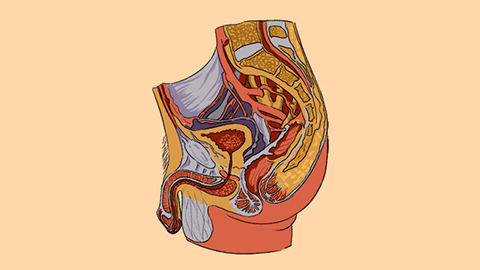
While full-body bathing may not be necessary every day, the penis and foreskin—and any accumulated smegma—must be cleaned daily. Parents must exercise extreme caution during cleaning and should never forcibly retract the foreskin in infants or young children. Doing so may damage the delicate genital skin and cause severe pain. Even if no physical injury occurs, such pain can inflict significant psychological distress on the child. Cleaning should be gentle and performed with minimal pressure; no soap, shampoo, or other cleansing agents should be used—only warm water is recommended.

Excessively long or tight foreskin can impede the natural drainage of secretions, leading to smegma accumulation. This may further predispose the child to urethritis and urinary difficulties, among other complications. After each cleaning, the foreskin should be allowed to air-dry naturally and then gently returned to its normal position over the glans. We hope this information proves helpful.