


Can traumatic brain injury cause hypertension?
Apr 07, 2022
Source: Cainiu Health

Dr. Li Man
Introduction
In patients with hypertension, blood pressure elevation or reduction is generally not caused by traumatic brain injury. The primary causes of hypertension include genetic factors, unhealthy dietary habits, and emotional stress. For instance, some patients consume excessive salt, are overweight, experience excessive mental tension, face high work-related stress, or suffer from other underlying diseases—all of which can contribute to elevated blood pressure.
Generally, approximately 60% of patients with hypertension have a family history of the condition. Clinical investigations indicate that genetic factors contribute to hypertension in roughly 30–50% of cases. Additionally, hypertension may be secondary to certain underlying diseases, such as obesity, diabetes, thyroid disorders, renal artery stenosis, or intrinsic kidney damage. So, can traumatic brain injury (TBI) cause hypertension? The following section addresses this question.
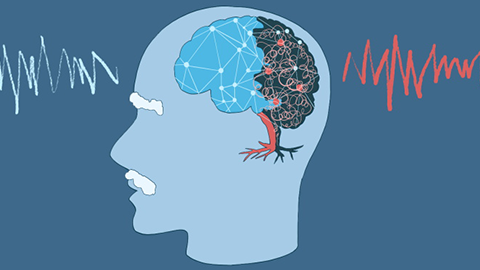
Can traumatic brain injury cause hypertension?
In most cases, traumatic brain injury does not directly cause an increase or decrease in blood pressure among patients with pre-existing hypertension. The primary causes of hypertension are typically related to genetic predisposition, unhealthy dietary habits, and psychological factors—such as chronic stress or emotional instability. For instance, excessive salt intake, obesity, persistent mental tension, high work-related stress, or coexisting medical conditions may all contribute to elevated blood pressure.
Patients with hypertension should receive treatment tailored to their individual blood pressure profiles. Mild cases may achieve adequate blood pressure control through lifestyle modifications—including dietary adjustments and improved daily habits—bringing blood pressure back into the normal range. In contrast, more severe cases generally require long-term antihypertensive medication, such as nifedipine sustained-release tablets, enalapril, or other antihypertensive agents, to maintain blood pressure within target levels.
Therefore, whether hypertension is mild or severe, pharmacological treatment must be complemented by comprehensive lifestyle and behavioral regulation. Patients should strive to maintain emotional calmness, avoid excessive stress or irritability, as these factors may exacerbate the condition.
We hope the above information is helpful to you.



