Why Does My Baby Frequently Spit Up Milk, and What Should I Do?
Apr 08, 2022
Source: Cainiu Health

Dr. Ma Yan
Introduction
Why does my baby frequently spit up milk, and what should I do?
Frequent spitting up in infants is commonly caused by improper feeding techniques—such as swallowing excessive air during feeding or eating too quickly or vigorously. To address this, adjust the feeding position and ensure the bottle nipple’s hole size is appropriate.
Abdominal chilling can also disrupt gastrointestinal function and lead to spitting up; in such cases, prompt medical evaluation and treatment are recommended.
Many infants experience spitting up (regurgitation) after feeding, commonly occurring shortly after nursing or when changing positions. The volume of milk spit up may vary—sometimes small, sometimes larger. Spitting up can be a sign of illness, but it may also be a normal physiological phenomenon. So, what causes persistent spitting up in infants, and how should parents respond? Let’s explore this further.
Why Does My Baby Keep Spitting Up—and What Should I Do?
1. Improper Feeding Techniques
During feeding, an improperly sized nipple hole—especially one that is too small—can cause the baby to swallow excessive air while sucking, leading to spitting up. When bottle-feeding, the nipple hole must be appropriately sized—not too large nor too small—and the nipple should remain fully submerged in milk to minimize air intake and reduce the risk of spitting up. Additionally, avoid feeding while the baby is crying.

2. Gastrointestinal Disorders
Persistent spitting up may indicate an underlying medical condition—for example, abdominal chilling causing gastrointestinal dysfunction; gastroenteritis; bacterial infection; acquired necrotizing enterocolitis; intussusception; intestinal obstruction; congenital megacolon; or hypertrophic pyloric stenosis. In such cases, prompt medical evaluation and treatment are essential.
3. Normal Physiological Phenomenon
In newborns, spitting up is often normal due to anatomical and developmental factors: the stomach is relatively small and positioned horizontally, and the lower esophageal sphincter is underdeveloped and relaxed. As the infant grows, the stomach enlarges, descends, and assumes a more vertical orientation, gradually reducing spitting up. To help minimize episodes, hold the baby upright after feeding and gently pat their back to encourage burping before laying them down to rest.
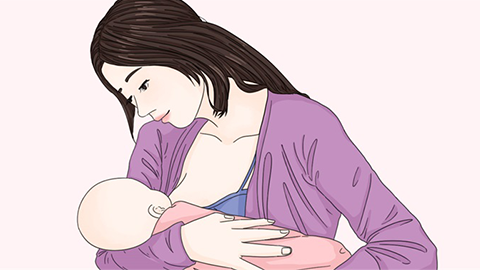
The above outlines common causes of persistent spitting up in infants—and appropriate responses. First, identify the underlying cause. If the baby appears alert, feeds well, drinks fluids normally, and remains active after spitting up, offering a small amount of warm water and observing closely may be sufficient. However, if spitting up occurs frequently or is accompanied by other concerning symptoms, consult a healthcare provider promptly to prevent potential complications. We hope this information is helpful to you.